इस पाठ में
- NRI और विदेशी आय
- NRI टैक्स ढांचा — भारत में क्या टैक्स योग्य है
- NRO बनाम NRE बनाम FCNR अकाउंट — टैक्स ट्रीटमेंट
- NRI की संपत्ति बिक्री — 20% TDS और पूंजीगत लाभ
- भारत वापसी — टैक्स बदलाव और RNOR विंडो
- Schedule FA — विदेशी संपत्ति की अनिवार्य घोषणा
- DTAA और फॉर्म 67 के ज़रिए विदेशी कर क्रेडिट
- विदेशी रिटायरमेंट अकाउंट — भारतीय टैक्स व्यवहार
- विदेशी इक्विटी निवेश — कराधान नियम
- ब्लैक मनी अधिनियम — अनुपालन और दंड
- LRS प्रेषण और TCS — बाहर जाने वाला पैसा
- सीमा-पार व्यक्तियों के लिए FEMA अनुपालन
- सक्रिय विदेशी शेयर ट्रेडर — विशेष बातें
NRI और विदेशी आय
NRI और ROR निवासी के लिए भारत-स्रोत आय का टैक्स ढांचा, NRO बनाम NRE बनाम FCNR अकाउंट का टैक्स ट्रीटमेंट, 20% NRI संपत्ति बिक्री पर Section 195 TDS और Form 13 कम कटौती प्रमाणपत्र, RNOR विंडो की रणनीतिक योजना, Black Money Act दंड के साथ Schedule FA के सात उप-अनुसूचियाँ, DTAA क्रेडिट विधि और Form 67 प्रक्रिया, Section 89A विदेशी रिटायरमेंट अकाउंट राहत, 24-महीने की विदेशी इक्विटी LTCG नियम, TCS दरों के साथ LRS प्रेषण, FEMA अनुपालन, और W-8BEN, अमेरिकी संपदा टैक्स, आंशिक शेयर और अमेरिका-भारत कर वर्ष समाधान सहित सक्रिय अमेरिकी स्टॉक ट्रेडर की ज़िम्मेदारियाँ
आप क्या सीखेंगे
- NRI बनाम ROR और RNOR निवासियों के लिए भारत में कौन-सी आय पर टैक्स लगता है, यह तय करने के लिए निवास स्थिति के ढांचे को लागू करें — और Section 9 के 'भारत में अर्जित मानी गई आय' (deemed accrual) नियम के तहत भारत-स्रोत आय की पहचान करें
- Section 195 के तहत दीर्घकालिक पूंजीगत लाभ पर 20% की दर से NRI संपत्ति बिक्री TDS की गणना करें, Form 13 कम कटौती प्रमाणपत्र के लिए आवेदन करें, और Sections 54, 54EC तथा 54F के तहत पुनर्निवेश छूट की योजना बनाएं
- RNOR विंडो को पहचानें और ROR स्थिति लागू होने से पहले — जब वैश्विक आय पर टैक्स शुरू होता है — विदेशी संपत्तियों की रणनीतिक बिक्री, वितरण और प्रत्यावर्तन (repatriation) की योजना बनाएं
- सभी सात उप-अनुसूचियों (A1–A7) में Schedule FA प्रकटीकरण पूरा करें और गैर-प्रकटीकरण पर Black Money Act के तहत प्रति संपत्ति प्रति वर्ष ₹10 लाख के जुर्माने का आकलन करें
- DTAA क्रेडिट विधि के तहत विदेशी टैक्स क्रेडिट का दावा करने के लिए Form 67 दाखिल करें, और ITR की नियत तारीख से पहले दस्तावेज़ी सहायता के साथ इसे जमा करना सुनिश्चित करें
- अधिसूचित देशों में विदेशी रिटायरमेंट अकाउंट के लिए Section 89A की निकासी-आधार राहत लागू करें, और RNOR विंडो के अनुसार वितरण का समय तय करें
- 24-महीने की LTCG सीमा और लेन-देन की तारीख पर RBI संदर्भ दरों पर INR रूपांतरण का उपयोग करके विदेशी इक्विटी पर पूंजीगत लाभ की गणना करें, और भारतीय सूचीबद्ध शेयरों से इसके अलग ट्रीटमेंट को समझें
- अमेरिकी स्टॉक ट्रेडिंग के लिए गतिविधि को निवेशक या ट्रेडर के रूप में वर्गीकृत करें, 15% DTAA डिविडेंड विदहोल्डिंग दर पाने के लिए W-8BEN दाखिल करें, और Schedule FA तथा Form 67 सहित वार्षिक अनुपालन चेकलिस्ट लागू करें
NRI और विदेशी आय
भारत दुनिया के सबसे बड़े प्रवासी समुदायों में से एक है — विदेशों में भारतीय मूल के 30 करोड़ से ज़्यादा लोग रहते हैं। इनमें से कई का भारत से आर्थिक नाता बना रहता है: संपत्ति, बैंक जमा, निवेश, परिवार की ज़िम्मेदारियाँ। साथ ही, भारत के वैश्विक आर्थिक जुड़ाव के कारण यहाँ के निवासी भारतीय भी अब विदेशी संपत्तियाँ रखने लगे हैं — नौकरी के दौरान मिले अमेरिकी स्टॉक, विदेश में खरीदी गई संपत्तियाँ, विदेश प्रवास के दौरान बने रिटायरमेंट अकाउंट, अंतरराष्ट्रीय एक्सचेंजों पर क्रिप्टोकरेंसी।
दोनों स्थितियाँ जटिल टैक्स ज़िम्मेदारियाँ पैदा करती हैं। NRI को भारत-स्रोत आय पर भारत में टैक्स देना होता है — संपत्ति बिक्री, जमा ब्याज और पूंजीगत लाभ के लिए अलग-अलग नियम हैं। भारतीय निवासियों को विदेशी संपत्तियों के लिए Schedule FA में प्रकटीकरण करना अनिवार्य है, और न करने पर Black Money Act के तहत प्रति संपत्ति प्रति वर्ष ₹10 लाख तक का जुर्माना लग सकता है। भारतीय टैक्स कानून, विदेशी टैक्स कानून, DTAA संधियाँ और FEMA विनियमों का यह संगम भारतीय कराधान का सबसे तकनीकी रूप से जटिल क्षेत्र है।
यह पाठ दोनों दिशाओं को कवर करता है: NRI की भारतीय आय पर टैक्स कैसे लगता है, और निवासियों की विदेशी आय पर टैक्स कैसे लगता है। हम DTAA की कार्यप्रणाली, विदेशी टैक्स क्रेडिट के दावे के लिए Form 67 की प्रक्रिया, अनिवार्य Schedule FA प्रकटीकरण व्यवस्था, NRO बनाम NRE अकाउंट के विशेष नियम, NRI संपत्ति बिक्री पर 20% TDS नियम, और विदेशी संपत्ति न बताने पर Black Money Act के तहत भारी जुर्माने को समझेंगे।
एक ज़रूरी बात: यह पाठ आयकर अधिनियम 1961 के उन प्रावधानों का उल्लेख करता है जो FY 2025-26 की आय पर लागू होते हैं और AY 2026-27 में दाखिल होते हैं — साथ ही Black Money (अप्रकटित विदेशी आय और संपत्ति) और कर अधिरोपण अधिनियम, 2015 के प्रावधानों का भी।
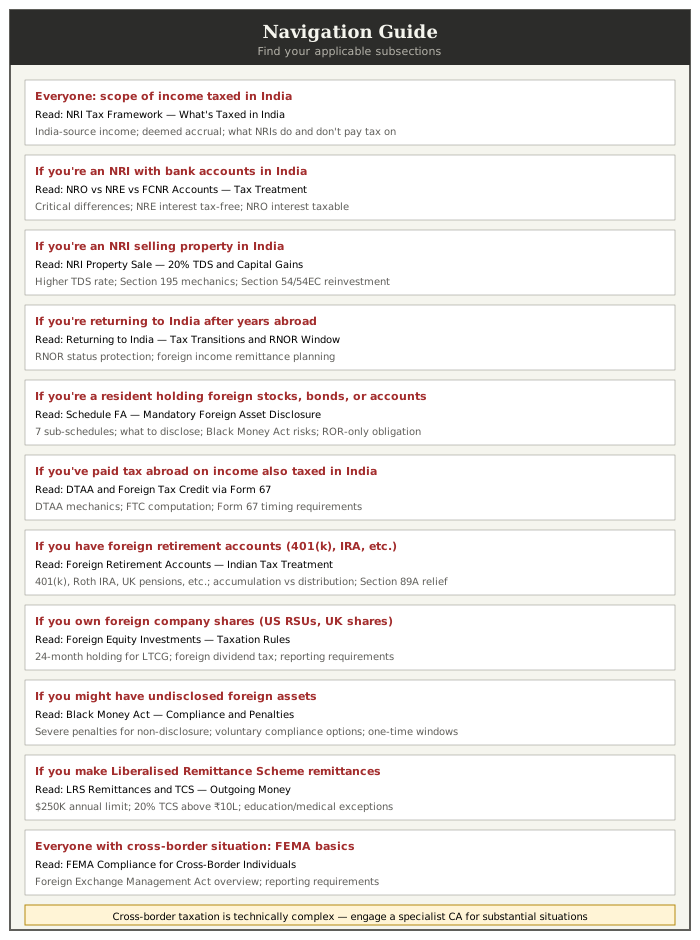
नेविगेशन गाइड — आपकी स्थिति के अनुसार कौन-से उपखंड लागू होते हैं
NRI टैक्स ढांचा — भारत में क्या टैक्स योग्य है
मूल नियम यह है: NRI (अनिवासी भारतीय) को भारत में केवल भारत-स्रोत आय पर टैक्स देना होता है। NRI की विदेश-स्रोत आय पर भारत में कोई टैक्स नहीं लगता।
मूल सिद्धांत।
| निवास स्थिति | भारत में टैक्स योग्य आय |
|---|---|
| निवासी और सामान्य निवासी (Resident and Ordinarily Resident - ROR) | वैश्विक आय (भारतीय + विदेशी) |
| निवासी किंतु सामान्य निवासी नहीं (Resident but Not Ordinarily Resident - RNOR) | भारतीय आय + भारत से नियंत्रित विदेशी व्यावसायिक आय + भारत में प्रवास के दौरान अर्जित विदेशी पेशेवर आय |
| अनिवासी (NR/NRI) | केवल भारत-स्रोत आय |
NRI के लिए भारत-स्रोत आय में क्या शामिल है।
| आय का स्रोत | भारत-स्रोत है? |
|---|---|
| भारत में की गई सेवाओं के लिए वेतन | हाँ (भुगतान चाहे कहीं भी हो) |
| विदेश में की गई सेवाओं के लिए वेतन, भारतीय नियोक्ता द्वारा भुगतान | हाँ (भारत में अर्जित मानी गई आय) |
| विदेश में की गई सेवाओं के लिए वेतन, विदेशी नियोक्ता द्वारा भुगतान | नहीं |
| भारत में स्थित संपत्ति से किराया आय | हाँ |
| भारतीय बैंक जमा पर ब्याज (NRE/FCNR को छोड़कर) | हाँ |
| NRE/FCNR जमा पर ब्याज | नहीं (विशेष रूप से छूट प्राप्त) |
| भारतीय कंपनियों से डिविडेंड | हाँ |
| भारतीय शेयर, संपत्ति, म्यूचुअल फंड पर पूंजीगत लाभ (capital gains) | हाँ |
| भारतीय व्यवसाय से व्यावसायिक आय | हाँ |
| विदेशी वेतन, विदेशी ब्याज, विदेशी डिविडेंड | नहीं |
अर्जित मानी गई आय का नियम (धारा 9)। अगर आय विदेश में दी जाती है, लेकिन उसका स्रोत भारत से जुड़ा है, तो उसे भारत में अर्जित माना जाता है। उदाहरण:
- भारत में दी गई सेवाओं का वेतन, भले ही विदेशी बैंक अकाउंट में मिले
- भारतीय व्यवसाय के लिए लिए गए कर्ज़ पर ब्याज
- भारत में इस्तेमाल होने वाले पेटेंट से रॉयल्टी
- भारतीय व्यवसाय के लिए दी गई तकनीकी सेवाओं का शुल्क
NRI के लिए बेसिक छूट सीमा और टैक्स स्लैब।
NRI के लिए टैक्स स्लैब का ढांचा निवासियों जैसा ही है:
- पुरानी व्यवस्था: बेसिक छूट सीमा ₹2.5 लाख (वरिष्ठ नागरिक राहत नहीं मिलती — वह केवल निवासियों के लिए है)
- नई व्यवस्था: बेसिक छूट सीमा ₹4 लाख
NRI के लिए धारा 87A छूट की उपलब्धता।
धारा 87A छूट (नई व्यवस्था में ₹60K, पुरानी व्यवस्था में ₹12.5K) केवल निवासियों को मिलती है। NRI को यह छूट नहीं मिलती। समान भारतीय आय पर NRI और निवासी के टैक्स में काफी अंतर आ जाता है।
बैंगलोर में संपत्ति से NRI को ₹10 लाख किराया आय। कोई अन्य भारतीय आय नहीं। NRI का टैक्स (नई व्यवस्था): आय: ₹10,00,000 घटाएँ किराए पर 30% स्टैंडर्ड डिडक्शन: ₹3,00,000 कर योग्य आय: ₹7,00,000 टैक्स: ₹0 (₹0-4L) + ₹15,000 (₹4-7L पर 5%) = ₹15,000 जोड़ें उपकर: ₹600 कुल: ₹15,600 इसी स्थिति में एक निवासी का ₹15,000 टैक्स धारा 87A के तहत पूरी तरह माफ़ → शून्य टैक्स। NRI को ₹15,600 देना होगा।
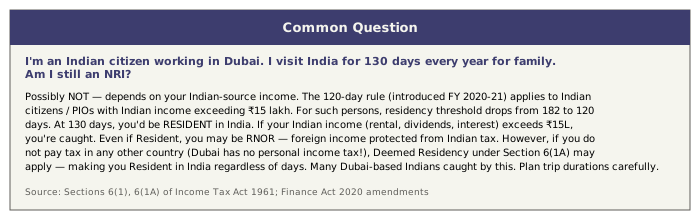
आयकर अधिनियम 1961 की धाराएँ 5, 6, 9, 87A।
NRO बनाम NRE बनाम FCNR अकाउंट — टैक्स ट्रीटमेंट
NRI के लिए बैंक अकाउंट के तीन प्रकार, जिनका टैक्स ट्रीटमेंट बिल्कुल अलग-अलग है।
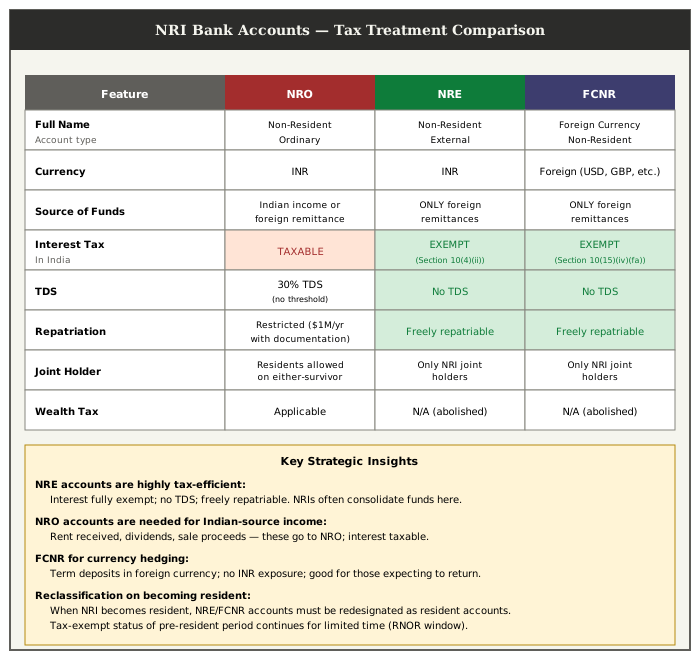
NRE का बड़ा फ़ायदा। NRE सावधि जमा पर ब्याज धारा 10(4)(ii) के तहत भारतीय टैक्स से पूरी तरह मुक्त है। अगर कोई NRI ₹50 लाख NRE FD में 7% ब्याज पर रखे = ₹3.5 लाख सालाना ब्याज — भारत में पूरी तरह टैक्स-फ्री।
NRO से तुलना करें: उसी ₹50 लाख पर 7% = ₹3.5 लाख ब्याज, जिस पर 30% TDS और स्लैब दर से टैक्स लगेगा। NRI के लिए पैसा कहाँ रखना है — इस फ़ैसले में बड़ा अंतर पड़ता है।
एक बात ध्यान रखें: NRE अकाउंट में केवल विदेश से भेजी गई राशि ही जमा हो सकती है। भारतीय आय (किराया, डिविडेंड) NRE में नहीं जा सकती — वह NRO में ही जाएगी।
आयकर अधिनियम 1961 की धाराएँ 10(4)(ii), 10(15)(iv)(fa); FEMA NRI अकाउंट नियम।
NRI की संपत्ति बिक्री — 20% TDS और पूंजीगत लाभ
जब कोई NRI भारत में संपत्ति बेचता है, तो TDS और पूंजीगत लाभ के खास नियम लागू होते हैं।
अधिक दर पर TDS।
जब NRI संपत्ति बेचता है, तो खरीदार को धारा 195 के तहत TDS काटना होता है:
- दीर्घकालिक पूंजीगत लाभ पर 20%
- अल्पकालिक पूंजीगत लाभ पर स्लैब दरें (30% तक)
यह धारा 194-IA के तहत निवासी विक्रेता के TDS (जो बिक्री मूल्य का 1% होता है, लाभ की परवाह किए बिना) से बिल्कुल अलग है।
यह क्यों मायने रखता है।
निवासी विक्रेता: 1% TDS ₹1 करोड़ की बिक्री पर = ₹1 लाख। अगर वास्तविक टैक्स कम हो तो ITR दाखिल करने पर वापस मिल जाता है।
NRI विक्रेता: पूंजीगत लाभ पर 20% TDS। अगर लाभ ₹50 लाख है, तो ₹10 लाख TDS रोक लिया जाता है। नकदी प्रवाह पर काफी ज़्यादा असर पड़ता है।
TDS की प्रक्रिया।
- चरण 1। NRI विक्रेता खरीदार को पूंजीगत लाभ की गणना देता है।
- चरण 2। खरीदार लाभ पर 20% TDS काटता है (या Form 13 कम कटौती प्रमाणपत्र में दर्ज राशि पर)।
- चरण 3। खरीदार TAN लेता है (अगर पहले से नहीं है)।
- चरण 4। खरीदार Form 27Q के ज़रिए TDS जमा करता है (निवासी विक्रेताओं के लिए Form 26QB से अलग)।
- चरण 5। खरीदार NRI विक्रेता को TDS प्रमाणपत्र (Form 16A) देता है।
- चरण 6। NRI अंतिम टैक्स की गणना करने और अतिरिक्त TDS का रिफंड लेने के लिए ITR दाखिल करता है।
Form 13 कम कटौती प्रमाणपत्र।
अगर विक्रेता यह साबित कर सके कि वास्तविक पूंजीगत लाभ टैक्स बिक्री मूल्य के 20% से कम होगा (जैसे, लंबे समय से रखी संपत्ति जिसकी लागत काफी अधिक है), तो वे मूल्यांकन अधिकारी से Form 13 कम कटौती प्रमाणपत्र के लिए आवेदन कर सकते हैं। एक बार जारी होने पर, खरीदार उसमें दर्ज कम दर पर TDS काटता है।
NRI बैंगलोर की संपत्ति ₹2 करोड़ में बेच रहा है। 2005 में ₹30 लाख में खरीदी थी। CII 2005-06 = 117; CII 2025-26 = 376। लागत की गणना: इंडेक्स्ड लागत: ₹30L × 376/117 = ₹96.41 लाख पूंजीगत लाभ (capital gains) (इंडेक्सेशन के साथ, जुलाई 2024 से पहले का विकल्प): ₹2 करोड़ - ₹96.41 लाख = ₹1.035 करोड़ इंडेक्सेशन के साथ 20% पर टैक्स: ₹20.7 लाख इंडेक्सेशन के बिना (12.5% दर, बजट 2024 का विकल्प): पूंजीगत लाभ (इंडेक्सेशन नहीं): ₹2 करोड़ - ₹30 लाख = ₹1.7 करोड़ 12.5% पर टैक्स: ₹21.25 लाख इंडेक्सेशन फ़ायदेमंद (₹20.7 लाख बनाम ₹21.25 लाख)। लोअर डिडक्शन सर्टिफिकेट के बिना TDS। खरीदार पूंजीगत लाभ का 20% काटता है = ₹20.7 लाख (वास्तविक टैक्स के बराबर) लेकिन खरीदार को लागत आधार पता होना ज़रूरी है — जो खरीदारों के लिए असुविधाजनक होता है बिक्री मूल्य के प्रतिशत के रूप में TDS (डिफ़ॉल्ट तरीका)। कई खरीदार, NRI की लागत के बारे में अनिश्चित होने पर, बिक्री मूल्य का 20% काट लेते हैं = ₹40 लाख NRI अतिरिक्त ₹19.3 लाख वापस पाने के लिए ITR दाखिल करता है नकदी प्रवाह की समस्या: NRI के ₹40 लाख महीनों तक फंसे रहते हैं
NRI के लिए रणनीतिक विकल्प।
- बिक्री से पहले फॉर्म 13 लोअर डिडक्शन सर्टिफिकेट के लिए आवेदन करें
- दस्तावेज़ों के साथ खरीदार से बात करें कि TDS बिक्री मूल्य पर नहीं, बल्कि पूंजीगत लाभ पर काटा जाए
- बिक्री से पहले धारा 54, 54EC, 54F के तहत पूंजीगत लाभ छूट की योजना बनाएं
NRI के लिए पुनर्निवेश छूट।
NRI वही छूट ले सकते हैं जो निवासी नागरिकों को मिलती हैं:
- धारा 54: भारत में नई आवासीय संपत्ति खरीदें (विदेश में नहीं)
- धारा 54EC: निर्दिष्ट बॉन्ड में ₹50 लाख तक निवेश करें
- धारा 54F: पूरी शुद्ध बिक्री राशि आवासीय संपत्ति में पुनर्निवेश करें
धारा 195; फॉर्म 27Q; CBDT NRI संपत्ति बिक्री प्रक्रियाएं।
भारत वापसी — टैक्स बदलाव और RNOR विंडो
भारत लौटने वाले NRI को टैक्स के मामले में बड़े बदलावों का सामना करना पड़ता है। RNOR विंडो के दौरान समझदारी से योजना बनाने पर काफी टैक्स बचाया जा सकता है।
भारत लौटने वाले NRI की रेज़िडेंसी टाइमलाइन।
जब आप भारत वापस आते हैं, तो आम तौर पर तीन चरणों से गुज़रते हैं:
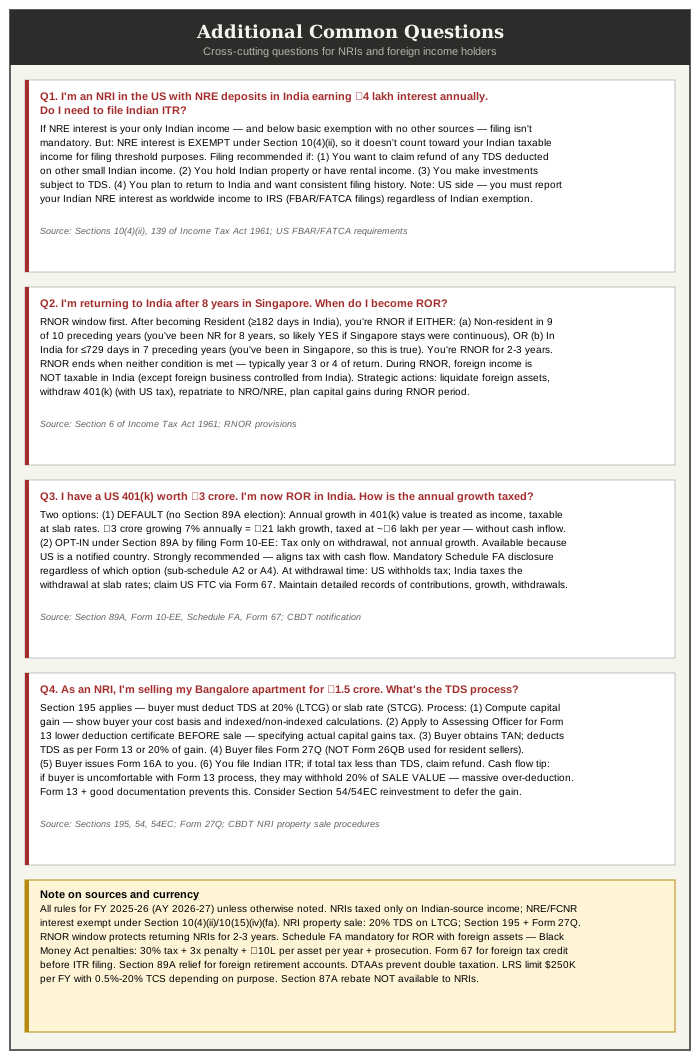
- चरण 1: अनिवासी (NR)। वापसी का साल — भारत में बिताए दिनों पर निर्भर करता है। अगर वापसी के साल में आप भारत में 182 दिन से कम रहे, तो उस साल भी NR ही माने जाएंगे।
- चरण 2: निवासी लेकिन सामान्य निवासी नहीं (RNOR)। निवासी बनने के बाद (≥182 दिन), आप RNOR के लिए योग्य हो सकते हैं यदि: पिछले 10 साल में से 9 साल अनिवासी रहे हों, या पिछले 7 साल में 729 दिन या उससे कम भारत में रहे हों। जो लोग लंबे समय से विदेश में रहे हों, उनके लिए RNOR विंडो आमतौर पर 2-3 साल की होती है।
- चरण 3: निवासी और सामान्य निवासी (ROR)। RNOR विंडो खत्म होने के बाद ROR बन जाते हैं — भारत में वैश्विक आय पर टैक्स लगता है।
RNOR का फ़ायदा।
RNOR अवधि के दौरान, विदेशी आय पर भारत में काफी हद तक टैक्स नहीं लगता:
- विदेशी वेतन, ब्याज, डिविडेंड, किराया, पूंजीगत लाभ: टैक्स नहीं
- भारत से नियंत्रित विदेशी व्यापार आय: टैक्सयोग्य
- भारत में रहते हुए अर्जित विदेशी पेशेवर आय: टैक्सयोग्य
RNOR विंडो के दौरान रणनीतिक कदम।
- कदम 1: पूंजीगत लाभ बदलने के लिए विदेशी संपत्ति बेचें। RNOR के दौरान अमेरिकी स्टॉक, विदेशी संपत्ति, विदेशी म्यूचुअल फंड बेचने पर भारतीय पूंजीगत लाभ टैक्स नहीं लगता। यही बिक्री ROR चरण में करने पर भारतीय टैक्स लगेगा।
- कदम 2: विदेशी रिटायरमेंट अकाउंट से रणनीतिक रूप से निकासी करें। RNOR के दौरान 401(k), IRA से निकासी पर भारतीय टैक्स नहीं लग सकता (विशिष्ट नियमों के अधीन, जो आगे बताए गए हैं)।
- कदम 3: ROR स्टेटस से पहले पैसे भारत लाएं। RNOR के दौरान पैसे भारत लाएं; ROR वर्ष से Schedule FA में घोषणा करें।
- कदम 4: आय पहचान का समय। अगर आप विदेशी आय को RNOR वर्षों में और भारतीय आय को पहले ला सकते हैं, तो यह अनुकूलन काफी टैक्स बचा सकता है।
ROR में बदलते समय विदेशी संपत्ति।
जब आप ROR बनते हैं:
- Schedule FA में खुलासा करना अनिवार्य हो जाता है
- विदेशी संपत्ति छुपाने पर ब्लैक मनी एक्ट लागू होता है
- विदेशी आय पर वैश्विक स्तर पर टैक्स लगने लगता है
कई वापस लौटने वाले NRI बैंक अकाउंट की स्थिति अपडेट करना भूल जाते हैं (NRE/FCNR अकाउंट को रेज़िडेंट अकाउंट में बदलना ज़रूरी है)। वास्तव में निवासी होने के बावजूद "NRI" के रूप में जारी रखने पर टैक्स और FEMA उल्लंघन होता है।
आयकर अधिनियम 1961 की धारा 6; NRI बैंकिंग पर FEMA मास्टर डायरेक्शन।
Schedule FA — विदेशी संपत्ति की अनिवार्य घोषणा
विदेशी संपत्ति रखने वाले निवासियों के लिए यह सबसे महत्वपूर्ण घोषणा दायित्व है।
Schedule FA किसे दाखिल करना होगा।
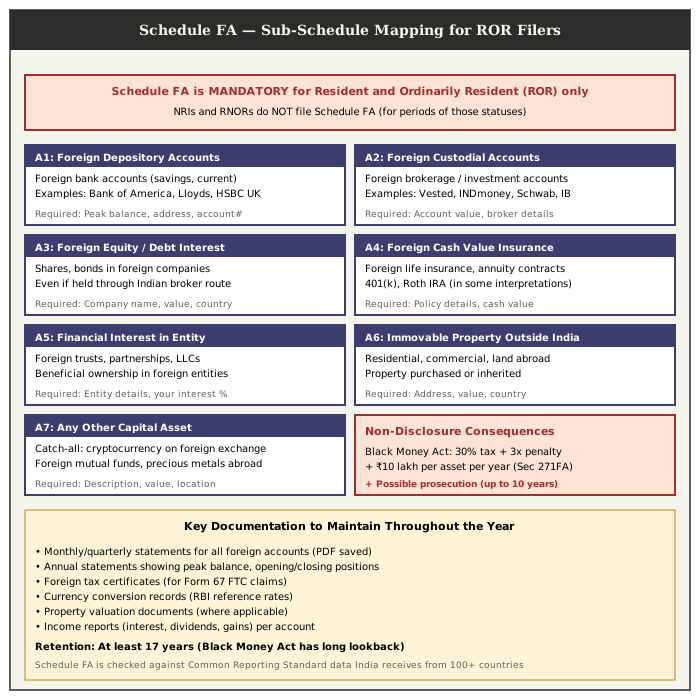
केवल निवासी और सामान्य निवासी (ROR) व्यक्तियों को ही Schedule FA में विदेशी संपत्ति की घोषणा करनी होती है। NRI, RNOR, और यहां तक कि वे निवासी जो हाल ही में ROR बने हैं, उन्हें उन अवधियों के लिए Schedule FA दाखिल करने की ज़रूरत नहीं है जब वे ROR नहीं थे।
इसमें क्या शामिल है।
Schedule FA में 7 उप-अनुसूचियां (A1 से A7 तक) हैं, जिनमें शामिल हैं:
- A1: विदेशी डिपॉज़िटरी अकाउंट (विदेशी बैंक अकाउंट)
- A2: विदेशी कस्टोडियल अकाउंट (विदेशी ब्रोकरेज अकाउंट)
- A3: विदेशी इक्विटी और डेट ब्याज (विदेशी कंपनियों में शेयर, बॉन्ड)
- A4: विदेशी कैश वैल्यू बीमा / एन्युटी कॉन्ट्रैक्ट
- A5: किसी भी इकाई में वित्तीय हित (विदेशी ट्रस्ट, पार्टनरशिप)
- A6: भारत के बाहर स्थित अचल संपत्ति
- A7: भारत के बाहर रखी गई कोई भी अन्य पूंजीगत संपत्ति
प्रत्येक संपत्ति के लिए आवश्यक जानकारी।
- देश, क्षेत्राधिकार
- इकाई का नाम (बैंक/कंपनी/आदि)
- पता
- अकाउंट/फोलियो/पहचान संख्या
- वर्ष के दौरान होल्डिंग की अवधि
- कुल निवेश (वर्ष के दौरान सर्वोच्च बैलेंस)
- वर्ष के दौरान अर्जित आय
- विदेशी देश में चुकाया गया कर
पीक बैलेंस की चुनौती।
हर विदेशी अकाउंट के लिए Schedule FA में वर्ष के दौरान का "पीक बैलेंस" मांगा जाता है — यानी किसी भी समय सबसे ज़्यादा रहा बैलेंस। इसके लिए सावधानीपूर्वक रिकॉर्ड रखना ज़रूरी है। बैंक पुराने स्टेटमेंट के लिए शुल्क ले सकते हैं।
ब्लैक मनी एक्ट में गैर-प्रकटीकरण पर जुर्माना।
ब्लैक मनी एक्ट, 2015 को खास तौर पर बिना रिपोर्ट की गई विदेशी संपत्तियों के लिए बनाया गया था:
- बिना प्रकट की गई विदेशी संपत्ति से आय: 30% पर कर लगाया जाएगा
- जुर्माना: कर का 3 गुना (90% प्रभावी कर दर)
- साथ ही: 10 साल तक की कठोर कारावास की सज़ा भी हो सकती है
- इसके अलावा: Schedule FA में प्रकटीकरण न करने पर जुर्माना — प्रति संपत्ति प्रति वर्ष ₹10 लाख
ये जुर्माने एक साथ लगते हैं। मान लीजिए किसी का ₹50 लाख का विदेशी अकाउंट 5 साल से छुपाया हुआ है:
- आय पर कर + जुर्माना: काफी बड़ी रकम
- Schedule FA जुर्माना: ₹10L × 5 साल = ₹50 लाख
- मुकदमा चलने की संभावना
व्यावहारिक असर।
Schedule FA का जुर्माना सबसे चौंकाने वाला है — यह तब भी लागू होता है जब विदेशी आय पर कर सही तरीके से चुकाया गया हो। अगर आपकी सारी विदेशी आय ITR में शामिल है (कोई कर चोरी नहीं) तब भी Schedule FA में प्रकटीकरण न करने पर प्रति संपत्ति प्रति वर्ष ₹10 लाख का जुर्माना लगता है।
क्या-क्या बताना ज़रूरी है।
आम उदाहरण:
- US 401(k), IRA अकाउंट: हाँ, A2/A4
- विदेशी ब्रोकरेज अकाउंट (Charles Schwab, Fidelity, आदि): हाँ, A2
- विदेशी बैंक अकाउंट: हाँ, A1
- विदेशी शेयर होल्डिंग (US RSU जो अभी बेचे नहीं गए): हाँ, A3
- विदेशी संपत्ति: हाँ, A6
- विदेशी एक्सचेंज पर क्रिप्टोकरेंसी: हाँ, A7
- विदेशी ट्रस्ट/पार्टनरशिप में हित: हाँ, A5
छूट।
- अनिवासी रिश्तेदार से विरासत में मिली विदेशी संपत्ति: फिर भी प्रकटीकरण ज़रूरी है
- NRI/RNOR अवधि के दौरान रखी गई विदेशी संपत्ति: उन अवधियों के लिए प्रकटीकरण ज़रूरी नहीं
आयकर अधिनियम 1961 की धारा 139(1) अनुसूची FA; काला धन (अप्रकटित विदेशी आय और संपत्ति) और कर अधिरोपण अधिनियम, 2015।
DTAA और फॉर्म 67 के ज़रिए विदेशी कर क्रेडिट
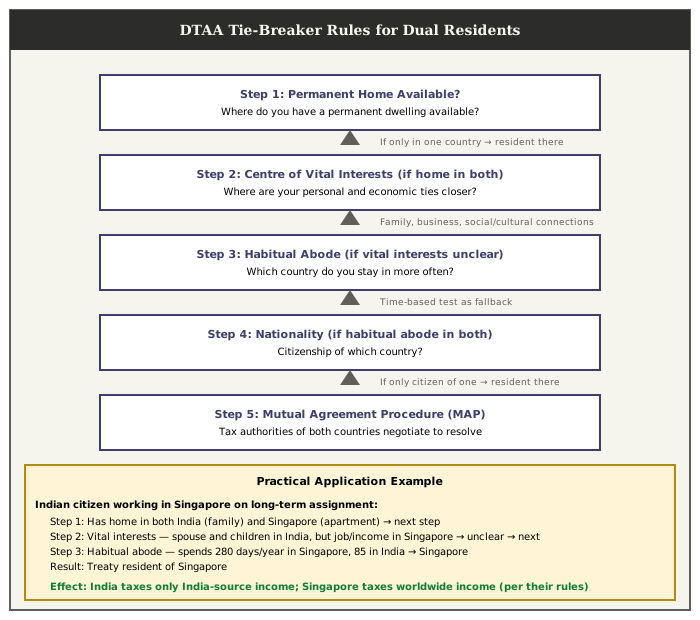
DTAA (दोहरे कराधान से बचाव समझौते) एक ही आय पर दो देशों में दोहरे कर से बचाते हैं।
DTAA कैसे काम करता है।
भारत के 95+ देशों के साथ DTAA हैं। हर संधि में यह तय होता है:
- विभिन्न प्रकार की आय के लिए किस देश को पहले कर लगाने का अधिकार है
- दूसरा देश अधिकतम कितना विदहोल्डिंग कर ले सकता है
- दोहरे कराधान से राहत का तरीका
राहत के दो मुख्य तरीके।
तरीका 1: छूट विधि (Exemption Method)। स्रोत देश कर लगाता है; निवासी देश उसी आय को छूट दे देता है। भारतीय DTAA में यह कम सामान्य है।
तरीका 2: क्रेडिट विधि (Credit Method)। दोनों देश कर लगाते हैं, लेकिन निवासी देश स्रोत देश में चुकाए गए कर का क्रेडिट देता है। भारत में यही तरीका सबसे अधिक प्रचलित है।
भारत में निवासी को US कंपनी से लाभांश मिलता है। India-US DTAA के तहत US 15% TDS काटता है। US लाभांश (सकल): ₹10,00,000 US द्वारा काटा गया कर: ₹1,50,000 प्राप्त राशि: ₹8,50,000 भारत में: लाभांश पूरे ₹10 लाख पर आय में शामिल। लाभांश पर भारतीय कर (मान लें 30% स्लैब): ₹3,00,000। विदेशी कर क्रेडिट दावा: (US में चुकाया कर ₹1,50,000) या (इस लाभांश पर भारतीय कर ₹3,00,000) में से जो कम हो = ₹1,50,000 लाभांश पर अंतिम भारतीय कर: ₹3,00,000 - ₹1,50,000 = ₹1,50,000 कुल मिलाकर कर: ₹1,50,000 (US) + ₹1,50,000 (भारत) = ₹3,00,000। यह ₹10 लाख पर भारतीय कर के बराबर — कोई दोहरा कर नहीं।
फॉर्म 67 — विदेशी कर क्रेडिट के लिए अनिवार्य।
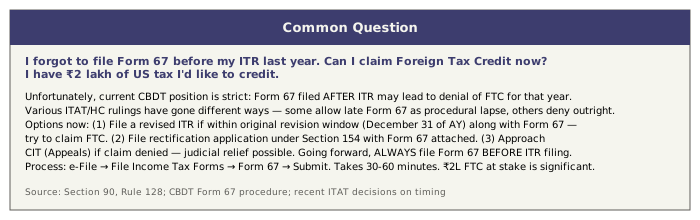
FTC का दावा करने के लिए आपको फॉर्म 67 ऑनलाइन दाखिल करना होगा:
- अपना ITR दाखिल करने से पहले दाखिल किया गया हो
- इसमें ये जानकारी दी जाती है: देश, आय का प्रकार, विदेश में चुकाया गया टैक्स, FTC का दावा
- दस्तावेज़ों से समर्थित: विदेशी टैक्स प्रमाणपत्र, विदेशी देश के रिटर्न
ज़रूरी बात: समय।
फॉर्म 67 को ITR दाखिल करने की नियत तारीख पर या उससे पहले दाखिल करना अनिवार्य है। फॉर्म 67 देर से दाखिल हुआ = FTC नामंज़ूर, भले ही बाकी सब शर्तें पूरी हों।
ये दस्तावेज़ संभालकर रखें।
- विदेशी टैक्स रिटर्न
- विदेशी टैक्स प्रमाणपत्र (जैसे, US फॉर्म W-2, 1099)
- विदेशी टैक्स भुगतान के प्रमाण
- मुद्रा रूपांतरण के रिकॉर्ड
- विदेशी टैक्स क्रेडिट की गणना
DTAA की विशेष दरें (सामान्य उदाहरण)।
| देश | डिविडेंड WHT (DTAA) | ब्याज WHT (DTAA) |
|---|---|---|
| USA | 15-25% | 15% |
| UK | 10-15% | 15% |
| Singapore | 10-15% | 15% |
| UAE | 10% | 12.5% |
| Mauritius | 5-15% | 7.5% |
भारतीय निवासियों के लिए ये वो दरें हैं जो स्रोत देश आय पर काट सकता है — इसके बाद भारत उसी आय पर टैक्स लगाता है और विदेश में कटी रकम का क्रेडिट देता है।
आयकर अधिनियम 1961 की धारा 90; संबंधित देशों के साथ DTAA संधियाँ; CBDT फॉर्म 67 की प्रक्रियाएँ।
विदेशी रिटायरमेंट अकाउंट — भारतीय टैक्स व्यवहार
जो भारतीय विदेश में काम कर चुके हैं, उनके लिए विदेशी रिटायरमेंट अकाउंट भारतीय टैक्स के नज़रिए से काफी जटिल सवाल खड़े करते हैं।
सामान्य परिस्थितियाँ।
US 401(k) और IRA।
- टैक्स-डेफ़र्ड US अकाउंट
- नौकरी के वर्षों में किए गए योगदान
- रिटायरमेंट पर निकासी (US में 59.5 की उम्र के बाद)
UK पेंशन, ऑस्ट्रेलियाई सुपरएनुएशन (superannuation), आदि।
- इसी तरह की टैक्स-डेफ़र्ड संरचनाएँ
- अलग-अलग देशों के अपने विशेष नियम
भारतीय टैक्स व्यवहार — मूल सिद्धांत।
ROR भारतीयों के लिए टैक्स का तरीका इस बात पर निर्भर करता है कि वे "अर्जन आधार" (accrual basis) अपनाते हैं या "निकासी आधार" (withdrawal basis):
अर्जन आधार (accrual basis) — भारत का डिफ़ॉल्ट तरीका:
- अकाउंट में हर साल होने वाली बढ़त उसी साल टैक्स योग्य मानी जाती है
- निकासी से पहले भी
- बिना नकद प्राप्ति के भारी टैक्स बोझ पड़ता है
निकासी आधार (withdrawal basis) — करदाता के लिए बेहतर विकल्प:
- टैक्स तभी लगता है जब रकम वास्तव में निकाली जाए
- टैक्स और नकद प्रवाह में तालमेल बनता है
धारा 89A की राहत (बजट 2021)।
धारा 89A के तहत निवासी "अधिसूचित देशों" में "निर्दिष्ट रिटायरमेंट अकाउंट" के लिए निकासी आधार पर टैक्स चुनने का विकल्प ले सकते हैं। यह एक बड़ी राहत है।
शर्तें:
- अकाउंट किसी अधिसूचित देश में होना चाहिए (US, UK, Canada विशेष रूप से अधिसूचित हैं)
- अकाउंट "निर्दिष्ट रिटायरमेंट अकाउंट" होना चाहिए
- करदाता को फॉर्म 10-EE के ज़रिए यह विकल्प चुनना होगा
- निकासी में नियमित और एकमुश्त — दोनों तरह के वितरण शामिल हैं
धारा 89A के बिना: 401(k) में सालाना बढ़त को आय माना जाता है (विवादास्पद, लेकिन टैक्स विभाग का सामान्य रुख यही है)। 89A के साथ: निकासी तक इंतज़ार करें, तब टैक्स दें।
भारत लौट रहे NRI के पास $300,000 (₹2.5 करोड़) का US 401(k) है। सालाना बढ़त: $30,000 (₹25 लाख)। धारा 89A के बिना: ₹25 लाख हर साल भारतीय आय में जुड़ते हैं स्लैब दर से टैक्स: ~₹7.5 लाख सालाना कोई नकद प्राप्ति नहीं → नकद प्रवाह का बोझ धारा 89A के साथ: अर्जन के दौरान कोई सालाना टैक्स नहीं टैक्स केवल निकासी के समय नकद प्रवाह से बेहतर तालमेल
RNOR विंडो के दौरान रणनीतिक निकासी।
अगर रिटायर व्यक्ति RNOR विंडो के दौरान 401(k) से निकासी करता है:
- US: वितरण पर सामान्य US टैक्स लागू होगा
- भारत: RNOR विदेशी स्रोत की आय पर टैक्स नहीं लगाता → कोई भारतीय टैक्स नहीं
- कुल नतीजा: केवल US टैक्स देना होगा (लगभग 10-37% फ़ेडरल + स्टेट)
यही निकासी ROR चरण में होती तो भारतीय टैक्स भी लगता (DTAA के तहत US टैक्स का क्रेडिट मिलता)। अक्सर कुल बोझ ज़्यादा होता है।
दस्तावेज़ीकरण।
- विदेशी सेवानिवृत्ति अकाउंट के वार्षिक विवरण
- साल के अंत में मुद्रा रूपांतरण (अधिकतम बैलेंस पर)
- US टैक्स रिटर्न जिनमें 401(k) रिपोर्टिंग दर्शाई गई हो
- निकासी के समय के रिकॉर्ड
आयकर अधिनियम 1961 की धारा 89A; CBDT अधिसूचना जिसमें देशों को निर्दिष्ट किया गया है।
विदेशी इक्विटी निवेश — कराधान नियम
विदेशी शेयर रखने वाले भारतीयों पर कुछ विशेष कर नियम लागू होते हैं।
होल्डिंग अवधि और दरें।
कर के नज़रिए से विदेशी इक्विटी को भारतीय अनलिस्टेड शेयरों की तरह माना जाता है:
- LTCG की सीमा: 24 महीने की होल्डिंग
- LTCG दर: इंडेक्सेशन के बिना 12.5% (बजट 2024 के बाद)
- STCG: स्लैब दरें
भारतीय इक्विटी से तुलना।
| एसेट का प्रकार | LTCG सीमा | LTCG दर |
|---|---|---|
| भारतीय लिस्टेड शेयर | 12 महीने | ₹1.25 लाख छूट से ऊपर 12.5% |
| विदेशी लिस्टेड शेयर | 24 महीने | 12.5% (कोई छूट नहीं) |
| अनलिस्टेड शेयर (भारतीय) | 24 महीने | 12.5% |
यानी विदेशी लिस्टेड शेयरों (US स्टॉक्स, UK शेयर) के लिए LTCG हेतु होल्डिंग अवधि लंबी रखनी होती है और इन पर ₹1.25 लाख की वार्षिक छूट नहीं मिलती, जो भारतीय लिस्टेड शेयरों को मिलती है।
विदेशी शेयरों पर लाभांश।
- स्लैब दरों पर भारतीय कर (अन्य स्रोत शीर्षक के तहत)
- विदेशी देश की विदहोल्डिंग भी (DTAA के अनुसार)
- फॉर्म 67 के ज़रिए फॉरेन टैक्स क्रेडिट
भारतीय निवासी को नियोक्ता (US पैरेंट की भारतीय सब्सिडियरी) से US RSUs मिलते हैं। RSU वेस्टिंग पर: परक्विज़िट (सैलरी के रूप में): वेस्टिंग की तारीख पर वेस्टेड शेयरों का FMV भारतीय नियोक्ता (सब्सिडियरी) TDS काटता है बिक्री पर (मान लीजिए वेस्टिंग के 2 साल बाद): INR में पूंजीगत लाभ (capital gains): (USD बिक्री मूल्य × INR दर) − (USD कॉस्ट बेसिस × वेस्टिंग पर INR दर) 24 महीने होल्ड करने पर LTCG 12.5% पर US कुछ मामलों में लाभ पर टैक्स विदहोल्ड कर सकता है (India-US DTAA के तहत पूंजीगत लाभ पर 15%; यह अलग-अलग हो सकता है) फॉर्म 67 के ज़रिए US FTC क्रेडिट के साथ भारतीय कर
मुद्रा रूपांतरण से जुड़े मुद्दे।
हर लेनदेन के लिए USD को उचित दर पर INR में बदलें:
- वेस्टिंग के लिए: वेस्टिंग की तारीख पर RBI रेफरेंस रेट
- बिक्री के लिए: बिक्री की तारीख पर RBI रेफरेंस रेट
- लाभांश के लिए: लाभांश की तारीख पर RBI रेट
ये दरें लाभ की गणना पर काफी असर डालती हैं। दरों के स्रोत का दस्तावेज़ीकरण करना ज़रूरी है।
Schedule FA में प्रकटीकरण।
सभी विदेशी शेयरों को Schedule FA (सब-शेड्यूल A3) में हर उस साल दर्ज करना होगा जब आप ROR के रूप में उन्हें होल्ड करते हैं — सिर्फ खरीद/बिक्री के साल में नहीं।
आयकर अधिनियम 1961 की धाराएँ 45, 47, 49, 112; Schedule FA निर्देश।
ब्लैक मनी अधिनियम — अनुपालन और दंड
ब्लैक मनी अधिनियम, 2015 ने विदेशी संपत्ति रखने वाले भारतीयों के लिए अनुपालन की तस्वीर पूरी तरह बदल दी।
इस अधिनियम का उद्देश्य।
यह अधिनियम विदेश में अघोषित संपत्ति रखने वाले भारतीयों की चिंताओं को दूर करने के लिए बनाया गया था। विदेशी आय और संपत्ति का खुलासा न करने पर इसमें कड़े परिणाम तय किए गए हैं।
दायरा।
ब्लैक मनी अधिनियम इन पर लागू होता है:
- भारतीय निवासी (जिनमें ROR और कुछ RNOR स्थितियाँ भी शामिल हैं — व्यापक परिभाषा)
- पहले अघोषित विदेशी आय
- पहले अघोषित विदेशी संपत्ति
ब्लैक मनी अधिनियम के तहत दंड।
अघोषित विदेशी आय/संपत्ति पर कर। 30% — अधिक आय वाले भारतीयों पर लागू भारतीय आयकर दर के समान।
प्रकटीकरण न करने पर जुर्माना। कर का 3 गुना — यानी संपत्ति के मूल्य का 90% जुर्माने के रूप में।
कुल मिलाकर: अगर विदेशी संपत्ति पकड़ी जाए तो भारत सरकार को संपत्ति के मूल्य का 120% तक जा सकता है।
इसके अलावा अलग से Schedule FA जुर्माना। आयकर अधिनियम की धारा 271FA के तहत प्रत्येक संपत्ति पर प्रकटीकरण न करने के प्रत्येक साल के लिए ₹10 लाख।
और संभावित अभियोजन। 10 साल तक कठोर कारावास।
एकमुश्त अनुपालन विंडो (2015)। जब यह अधिनियम लाया गया, तब 3 महीने की अनुपालन विंडो दी गई थी जिसमें 30% कर + 30% जुर्माने (कुल 60%) के साथ खुलासा किया जा सकता था। यह विंडो सितंबर 30, 2015 को बंद हो गई।
बाद की स्वैच्छिक प्रकटीकरण योजना (2016)। आय घोषणा योजना (IDS) के तहत अघोषित भारतीय आय का खुलासा 45% पर किया जा सकता था (30% कर + 7.5% कृषि कल्याण उपकर + 7.5% प्रधानमंत्री गरीब कल्याण उपकर)। यह सितंबर 30, 2016 को बंद हो गई।
वर्तमान स्वैच्छिक अनुपालन।
अभी कोई सामान्य स्वैच्छिक अनुपालन विंडो खुली नहीं है। अभी खुलासा करने का मतलब है:
- आय पर 30% कर
- 3× जुर्माना (90%)
- पिछले वर्षों के लिए Schedule FA जुर्माने
- मुकदमे का रिस्क
पुरानी अघोषित संपत्ति रखने वालों के लिए व्यावहारिक सलाह।
यह एक कठिन स्थिति है जिसमें विशेषज्ञ कानूनी सलाह ज़रूरी है। विचार करने योग्य विकल्प:
- विकल्प 1: अभी स्वैच्छिक खुलासा करें। कर + जुर्माना + Schedule FA शुल्क चुकाएँ। सहयोग के ज़रिए मुकदमे का जोखिम सीमित करें। लागत: भारी, लेकिन निश्चित।
- विकल्प 2: खुलासा न करते रहें। रिस्क: विदेशी देश के साथ सूचना आदान-प्रदान के ज़रिए पकड़े जाने का। भारत के कई देशों के साथ कर सूचना विनिमय समझौते (TIEAs) हैं। CRS (Common Reporting Standard) के तहत स्वचालित डेटा साझाकरण बढ़ता जा रहा है।
- विकल्प 3: ROR बनने से पहले संपत्ति बेच दें (जो अभी RNOR हैं उनके लिए)। अगर आप अभी RNOR हैं, तो विदेशी संपत्ति आपके भारतीय कर के दायरे में नहीं है। रणनीतिक तरीके से संपत्ति बेचकर धनराशि अभी भारत लाई जा सकती है।
ब्लैक मनी (अघोषित विदेशी आय और संपत्ति) और कर अधिरोपण अधिनियम, 2015; आयकर अधिनियम 1961 की धारा 271FA।
LRS प्रेषण और TCS — बाहर जाने वाला पैसा
जब आप विदेश में पैसे भेजते हैं, तो कुछ विशेष कर नियम लागू होते हैं।
उदारीकृत प्रेषण योजना (LRS)।
RBI की यह योजना निवासी व्यक्तियों को अनुमत उद्देश्यों के लिए प्रति वित्त वर्ष $250,000 तक विदेश भेजने की अनुमति देती है:
- शिक्षा
- चिकित्सा उपचार
- करीबी रिश्तेदारों का भरण-पोषण
- यात्रा (निजी दौरे, व्यवसाय आदि)
- उपहार प्रेषण
- पूंजी खाता लेनदेन (विदेशी निवेश, विदेशी संपत्ति)
LRS प्रेषण पर TCS दरें।
| उद्देश्य | सीमा | TCS दर |
|---|---|---|
| कर्ज़ से वित्त पोषित विदेशी शिक्षा | ₹7 लाख से अधिक | 0.5% |
| स्वयं के धन से वित्त पोषित विदेशी शिक्षा | ₹10 लाख से अधिक | 5% |
| विदेश में चिकित्सा उपचार | ₹7 लाख से अधिक | 5% |
| भारतीय ऑपरेटर से विदेशी टूर पैकेज | कोई भी राशि | 5% |
| अन्य (निवेश, उपहार आदि) | ₹10 लाख से अधिक | 20% |
20% TCS का प्रभाव।
₹10 लाख से अधिक के अधिकांश गैर-शिक्षा, गैर-चिकित्सा LRS प्रेषण पर 20% TCS लगता है — यह एक बड़ी कटौती है। ITR दाखिल करते समय वापस मिल जाता है अगर वास्तविक कर देनदारी कम हो।
व्यावहारिक पहलू।
अपने बेटे के US बैंक अकाउंट में सामान्य खर्चों के लिए $50,000 भेजना। INR के बराबर: ~₹42 लाख ₹10 लाख की सीमा से ऊपर 20% TCS: 20% × ₹32 लाख = ₹6.4 लाख काटे गए आप बैंक को ₹42L + ₹6.4L = ₹48.4 लाख चुकाते हैं ITR के ज़रिए ₹6.4 लाख वापस पाएँ
बेटे की ट्यूशन फीस के लिए पैसे भेजना (US यूनिवर्सिटी को $25K)। INR के बराबर: ~₹21 लाख अगर शिक्षा ऋण से: ₹7L से ऊपर 0.5% = 0.5% × ₹14L = ₹7,000 TCS अगर स्वयं के धन से: ₹10L से ऊपर 5% = 5% × ₹11L = ₹55,000 TCS
दस्तावेज़ीकरण की ज़रूरतें।
बैंकों को ये चाहिए:
- LRS उद्देश्य घोषणा फॉर्म
- कर अनुपालन प्रमाण पत्र
- धन के स्रोत का दस्तावेज़
- KYC दस्तावेज़
- PAN
साल भर का संचय। TCS की गणना संचयी रूप से होती है। कई छोटे-छोटे प्रेषण मिलाकर सीमा से अधिक हो जाएँ, तो अतिरिक्त राशि पर TCS लागू होता है।
आयकर अधिनियम 1961 की धारा 206C(1G); RBI LRS मास्टर निर्देश।
सीमा-पार व्यक्तियों के लिए FEMA अनुपालन
कर कानून से परे, विदेशी मुद्रा प्रबंधन अधिनियम (FEMA) सीमा-पार वित्तीय गतिविधियों को नियंत्रित करता है।
FEMA के प्रमुख सिद्धांत।
निवासियों के लिए।
- भारत में विदेशी मुद्रा अकाउंट नहीं रख सकते (कुछ विशेष अनुमत श्रेणियों को छोड़कर)
- अनुमत बाहरी प्रेषण के लिए प्रति वर्ष $250K की LRS सीमा
- विदेश से भारतीय स्रोत की आय की रिपोर्टिंग ज़रूरी है
अनिवासियों के लिए।
- भारत में NRO/NRE/FCNR अकाउंट रख सकते हैं
- भारतीय संपत्ति खरीदने पर प्रतिबंध (आवासीय अनुमत; कृषि भूमि प्रतिबंधित)
- भारतीय स्रोतों से आय को सीमाओं के अधीन वापस भेजा जा सकता है
प्रत्यावर्तन (repatriation) के नियम।
| मद | NRI प्रत्यावर्तन |
|---|---|
| NRE बैलेंस | स्वतंत्र रूप से प्रत्यावर्तनीय (freely repatriable) |
| FCNR बैलेंस | स्वतंत्र रूप से प्रत्यावर्तनीय |
| NRO बैलेंस | दस्तावेज़ों के साथ प्रति वित्त वर्ष $1 मिलियन तक |
| विरासत में मिली संपत्ति की बिक्री | प्रति वित्त वर्ष $1 मिलियन तक |
| NRI द्वारा खुद खरीदी गई भारतीय संपत्ति की बिक्री | निवेश मूल्य के भीतर; शेष राशि NRO रूट से |
भारत लौटने वाले NRI और FEMA.
जब आप भारत वापस आते हैं:
- वापसी के 7 दिनों के भीतर बैंकों को सूचित करें
- NRE/FCNR अकाउंट को रेज़िडेंट अकाउंट में बदलें
- विदेशी संपत्तियाँ विशेष प्रावधानों के तहत बनाए रखी जा सकती हैं
FEMA उल्लंघनों पर जुर्माना.
- संबंधित राशि का 3 गुना तक जुर्माना
- बार-बार उल्लंघन करने वालों के लिए कारावास
- सहयोग करने वाले उल्लंघनकर्ताओं के लिए कम्पाउंडिंग का विकल्प
रिपोर्टिंग की आवश्यकताएँ.
लेन-देन के आधार पर अलग-अलग फॉर्म:
- विदेशी उधारी के लिए Form ECB/EFM
- सीमा-पार भुगतानों के लिए Form 15CA/CB
- विदेशी निवेशों के लिए वार्षिक प्रदर्शन रिपोर्ट (Annual Performance Reports)
विदेशी मुद्रा प्रबंधन अधिनियम (Foreign Exchange Management Act) 1999; RBI मास्टर डायरेक्शन.
सक्रिय विदेशी शेयर ट्रेडर — विशेष बातें
भारत में रहने वाले बहुत से लोग अब INDmoney, Vested, Groww International और Interactive Brokers जैसे प्लेटफ़ॉर्म के ज़रिए अमेरिकी शेयरों में सक्रिय रूप से ट्रेडिंग करते हैं। इस पाठ में पहले बताया गया बुनियादी टैक्स ढाँचा यहाँ भी लागू होता है, लेकिन सक्रिय ट्रेडरों को कुछ खास मुद्दों का सामना करना पड़ता है जो कभी-कभार विदेशी इक्विटी रखने वालों को नहीं होता। यह हिस्सा उन बातों को कवर करता है जो समर्पित अमेरिकी शेयर ट्रेडरों को सामान्य विदेशी इक्विटी नियमों से आगे जानना ज़रूरी है।
ट्रेडर बनाम निवेशक वर्गीकरण
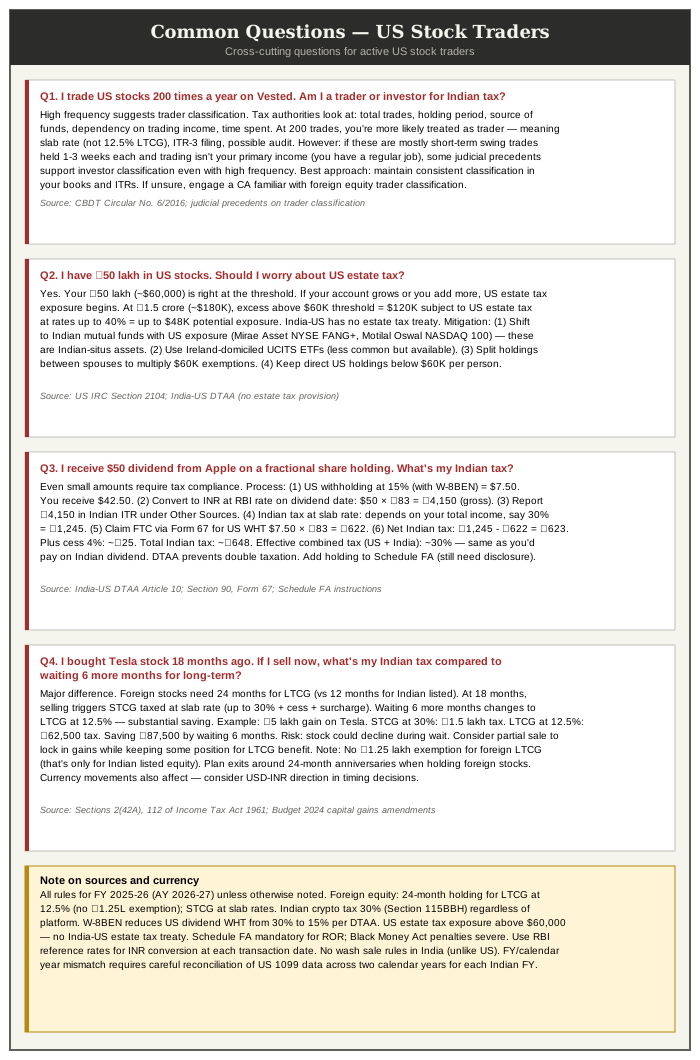
किसी भी सक्रिय शेयर ट्रेडर के लिए बुनियादी सवाल यह है: क्या आपको "निवेशक" (पूंजीगत लाभ) माना जाएगा या "ट्रेडर" (व्यावसायिक आय)? यह फ़र्क विदेशी शेयरों पर उतना ही लागू होता है जितना भारतीय शेयरों पर।
वर्गीकरण क्यों मायने रखता है.
| पहलू | निवेशक (पूंजीगत लाभ) | ट्रेडर (व्यावसायिक आय) |
|---|---|---|
| दीर्घकालिक टैक्स | 12.5% LTCG (24 महीनों के बाद) | स्लैब दरें (LTCG का लाभ नहीं) |
| अल्पकालिक टैक्स | स्लैब दरें | स्लैब दरें |
| नुकसान | केवल पूंजीगत लाभ से समायोजित किया जा सकता है | अन्य व्यावसायिक आय से समायोजित किया जा सकता है |
| ऑडिट की सीमा | लागू नहीं | ₹1 करोड़ टर्नओवर पर ऑडिट ज़रूरी |
| ITR फॉर्म | ITR-2 | ITR-3 |
| खर्च | कटौती योग्य नहीं | कटौती योग्य (सब्सक्रिप्शन शुल्क, सॉफ़्टवेयर, आदि) |
कर अधिकारियों द्वारा अपनाए जाने वाले मानदंड.
कोई स्पष्ट कानूनी सीमा नहीं है। CBDT सर्कुलर नं. 6/2016 के दिशा-निर्देश और न्यायिक मिसालें इन कारकों की ओर इशारा करती हैं:
- ट्रेड की आवृत्ति और मात्रा
- होल्डिंग अवधि (बहुत कम = ट्रेडर; अधिक = निवेशक)
- महत्व (ट्रेडिंग प्राथमिक आय स्रोत है या गौण)
- फंड का स्रोत (खुद की पूंजी या ट्रेडिंग के लिए उधार)
- आपकी बहियों/रिकॉर्ड में दर्ज करने का तरीका (ट्रेडिंग घोषित की है या निवेश)
- क्या आप बाज़ार के समय पर्याप्त रूप से सक्रिय रहते हैं
व्यावहारिक वर्गीकरण की सीमाएँ.
कर अधिकारी आम तौर पर आपको ट्रेडर मानते हैं अगर:
- ज़्यादातर पोज़ीशन घंटों/दिनों के लिए रखी जाती हैं (महीनों के लिए नहीं)
- साल में 100+ ट्रेड
- आय का बड़ा हिस्सा ट्रेडिंग से आता है
- बाज़ार के समय सक्रिय निगरानी
- ट्रेडिंग आपकी घोषित व्यावसायिक गतिविधि है
आपको निवेशक माने जाने की ज़्यादा संभावना है अगर:
- महीनों या सालों के लिए खरीद कर रखते हैं
- साल में 20-30 से कम ट्रेड
- ट्रेडिंग अन्य आय के पूरक के रूप में है
- बाज़ार के उतार-चढ़ाव के बीच लंबी अवधि की पोज़ीशन बनाए रखते हैं
स्व-वर्गीकरण (self-classification) का फ़ायदा।
शुरू में आप कैसे घोषणा करते हैं, यह मायने रखता है। अगर आप लगातार निवेशक के रूप में फ़ाइल करते हैं (पूंजीगत लाभ के साथ ITR-2), तो कर अधिकारी आमतौर पर उस वर्गीकरण को स्वीकार कर लेते हैं — जब तक कि ट्रेडिंग का तरीका स्पष्ट रूप से व्यावसायिक न हो। लेकिन अगर आपने एक बार व्यावसायिक आय (ITR-3) में घोषणा करना शुरू कर दिया, तो बिना जाँच-पड़ताल के उसे आसानी से वापस नहीं बदला जा सकता।
रणनीतिक निहितार्थ।
ज़्यादातर सामान्य से मध्यम स्तर के भारतीय US स्टॉक ट्रेडर्स के लिए, निवेशक के रूप में घोषणा करना बेहतर रहता है:
- LTCG 12.5% पर (बनाम 30% तक की स्लैब दर + अधिभार)
- ITR-2 फ़ाइलिंग सरल रहती है
- ऑडिट की कोई बाध्यता नहीं
- भले ही आप साल में 50-80 बार ट्रेड करें, निवेशक का वर्गीकरण आमतौर पर बना रहता है
इक्विटी आय वर्गीकरण पर CBDT सर्कुलर नंबर 6/2016; आयकर अधिनियम 1961 की धारा 28 और 45; ट्रेडर बनाम निवेशक वर्गीकरण पर विभिन्न ITAT और उच्च न्यायालय के फ़ैसले।
मुद्रा रूपांतरण की कार्यप्रणाली
सक्रिय US स्टॉक ट्रेडर्स को साल में सैकड़ों लेनदेन करने पड़ते हैं, और भारतीय कर गणना के लिए हर लेनदेन पर रुपये में रूपांतरण करना होता है।
कौन सी विनिमय दर इस्तेमाल करें।
हर लेनदेन के लिए, लेनदेन की तारीख पर RBI की संदर्भ दर (reference rate) प्रासंगिक होती है:
- खरीद लेनदेन: खरीद की तारीख पर RBI दर
- बिक्री लेनदेन: बिक्री की तारीख पर RBI दर
- लाभांश (dividend): लाभांश भुगतान की तारीख पर RBI दर
- विदहोल्डिंग टैक्स (withholding tax): जिस तारीख को टैक्स काटा गया उस दिन की RBI दर
RBI संदर्भ दरों का स्रोत।
- RBI, USD, GBP, EUR, JPY के लिए रोज़ाना संदर्भ दरें प्रकाशित करता है: rbi.org.in → Forex Markets → FX Reference Rates
- आमतौर पर दोपहर 1:30 बजे की दर इस्तेमाल की जाती है
- जिन मुद्राओं के लिए RBI की रोज़ाना संदर्भ दरें उपलब्ध नहीं हैं (अधिकांश विदेशी मुद्राएँ), उनके लिए सबसे नज़दीकी उपलब्ध दर इस्तेमाल करें या USD को मध्यवर्ती मुद्रा के रूप में रूपांतरित करें।
सक्रिय ट्रेडर्स के लिए व्यावहारिक कार्यप्रवाह।
तरीका 1: प्लेटफ़ॉर्म द्वारा दी गई INR वैल्यू का उपयोग करें। भारत-केंद्रित कई प्लेटफ़ॉर्म (Vested, INDmoney) अपने स्टेटमेंट में INR-रूपांतरित मूल्य देते हैं। यह आसान है, लेकिन यह ज़रूर जाँचें कि विनिमय दर की पद्धति RBI संदर्भ दर से मेल खाती है या नहीं। स्रोत का दस्तावेज़ीकरण करें।
तरीका 2: RBI दरों का उपयोग करके मैन्युअल रूपांतरण। हर लेनदेन के लिए USD राशि को मैन्युअल रूप से रूपांतरित करें। इसमें अधिक मेहनत लगती है, लेकिन जाँच-पड़ताल की स्थिति में यह सत्यापन योग्य होता है।
तरीका 3: हाइब्रिड — साल के अंत में मिलान (reconciliation)। रिकॉर्ड रखने के लिए पूरे साल प्लेटफ़ॉर्म की INR वैल्यू इस्तेमाल करें। साल के अंत में, बड़े लेनदेन (विशेष रूप से महत्वपूर्ण) की सटीकता के लिए RBI दरों से मिलान करें।
15 मार्च, 2025 को AAPL के 100 शेयर $180 पर खरीदे। मार्च 15 की RBI दर: ₹83.45। भारतीय रुपये में लागत: $180 × ₹83.45 × 100 = ₹15,02,100 20 अक्टूबर, 2026 को 100 शेयर $230 पर बेचे। अक्टूबर 20 की RBI दर: ₹84.20। भारतीय रुपये में बिक्री मूल्य: $230 × ₹84.20 × 100 = ₹19,36,600 होल्डिंग अवधि: 19 महीने (24 महीने से कम) → STCG पूंजीगत लाभ: ₹19,36,600 - ₹15,02,100 = ₹4,34,500 स्लैब दर पर टैक्स: कुल आय पर निर्भर (आमतौर पर 20-30% स्लैब) विदेशी मुद्रा प्रभाव पर ध्यान दें। USD में वही ट्रेड: $50 × 100 = $5,000 लाभ। लेकिन INR में लाभ ₹4,34,500 है, क्योंकि मुद्रा में बढ़त हुई। रुपये का लाभ शेयर की बढ़त और INR के मुकाबले USD की मज़बूती — दोनों को दर्शाता है। भारत में दोनों पर कर लगता है। इसके विपरीत, अगर रुपया मज़बूत हुआ। अगर बिक्री की तारीख पर RBI दर ₹81 हो (रुपया मज़बूत): INR बिक्री: $230 × ₹81 × 100 = ₹18,63,000 पूंजीगत लाभ: ₹18,63,000 - ₹15,02,100 = ₹3,60,900 USD में उतना ही मुनाफ़ा होने के बावजूद INR में लाभ कम। मुद्रा का प्रभाव सालाना लाभ को 5-15% तक बदल सकता है।
विदेशी मुद्रा पर RBI मास्टर डायरेक्शन; कर उद्देश्यों के लिए मुद्रा रूपांतरण पर CBDT का मार्गदर्शन।
W-8BEN फ़ॉर्म — US लाभांश विदहोल्डिंग कम करना
यह एक ज़रूरी अनुपालन (compliance) बिंदु है जिसे कई भारतीय US स्टॉक ट्रेडर नज़रअंदाज़ कर देते हैं।
W-8BEN क्या है।
यह एक US कर फ़ॉर्म है (Form W-8BEN: अमेरिकी कर विदहोल्डिंग और रिपोर्टिंग के लिए लाभकारी स्वामी की विदेशी स्थिति का प्रमाणपत्र) जो यह स्थापित करता है कि आप गैर-अमेरिकी व्यक्ति हैं और DTAA लाभ का दावा करता है।
डिफ़ॉल्ट दर बनाम संधि दर।
| W-8BEN दाखिल किए बिना | W-8BEN दाखिल करने पर |
|---|---|
| लाभांश पर US WHT: 30% | लाभांश पर US WHT: 15% (भारत-US DTAA के अनुसार) |
| ब्याज पर US WHT: 30% | ब्याज पर US WHT: 15% |
| पूंजीगत लाभ पर US WHT: आमतौर पर 0% | पूंजीगत लाभ पर US WHT: आमतौर पर 0% |
15% की बचत।
एक ट्रेडर को US लाभांश में $1,000 (~₹83,000) मिलते हैं:
- W-8BEN के बिना: $300 काटे गए; $700 प्राप्त हुए
- W-8BEN के साथ: $150 काटे गए; $850 प्राप्त हुए
- अंतर: $1,000 लाभांश पर $150। गंभीर लाभांश-केंद्रित निवेशकों के लिए यह काफ़ी महत्वपूर्ण है।
W-8BEN कैसे दाखिल करें।
भारत-केंद्रित ज़्यादातर प्लेटफ़ॉर्म (Vested, INDmoney, Groww International) अकाउंट खोलते समय W-8BEN की प्रक्रिया खुद ही पूरी कर देते हैं। फिर भी यह ज़रूर जाँचें:
- आपके अकाउंट प्रोफ़ाइल में दिखे कि W-8BEN दाखिल हो चुका है
- हाल के डिविडेंड भुगतानों पर 15% WHT कटा हो (30% नहीं)
- रिकॉर्ड के लिए W-8BEN की एक प्रति ज़रूर लें
नवीनीकरण।
W-8BEN दाखिल करने की तारीख से 3 साल बाद समाप्त हो जाता है। ब्रोकर आमतौर पर नवीनीकरण की याद दिलाते हैं। अगर समय पर नवीनीकरण न हो, तो WHT वापस 30% हो जाता है।
Interactive Brokers और अन्य US ब्रोकर के लिए सीधे।
- IRS की वेबसाइट से W-8BEN डाउनलोड करें
- पहचान, देश (India) और DTAA दावे की जानकारी भरें
- ब्रोकर को जमा करें
- पावती (acknowledgment) लें
IRS Form W-8BEN; India-US द्विपक्षीय कर परिहार समझौता (DTAA) अनुच्छेद 10 (डिविडेंड), अनुच्छेद 11 (ब्याज)।
US एस्टेट टैक्स — बड़े निवेश पर गंभीर खतरा
यह एक गंभीर रिस्क है जिससे ज़्यादातर भारतीय US स्टॉक निवेशक अनजान हैं, और इसके आर्थिक नतीजे बेहद भारी पड़ सकते हैं।
नियम क्या है।
US, गैर-अमेरिकी व्यक्तियों (भारतीयों सहित) की US-situs संपत्तियों पर 40% तक की प्रगतिशील दरों से एस्टेट टैक्स लगाता है। और छूट की सीमा मात्र $60,000 है।
US-situs संपत्तियों में शामिल हैं:
- US में पंजीकृत कंपनियों के शेयर (Apple, Microsoft, Tesla, आदि)
- US की अचल संपत्ति (रियल एस्टेट)
- US बॉन्ड (ज़्यादातर)
- US बैंक जमा (ज़्यादातर छूट प्राप्त)
US नागरिकों/निवासियों से तुलना करें। US व्यक्तियों को $13 मिलियन+ की छूट मिलती है (2024)। गैर-US व्यक्तियों को केवल $60,000 की छूट मिलती है।
खतरा क्या है।
एक भारतीय निवेशक जिसके पास US स्टॉक्स में $200,000 (~₹1.66 करोड़) हैं, उसकी स्थिति इस प्रकार होगी:
- संपत्ति $60,000 की सीमा से $140,000 अधिक है
- मृत्यु पर: अतिरिक्त राशि पर US एस्टेट टैक्स लागू होगा
- दर: 18% से शुरू होकर 40% तक जाती है
- US एस्टेट टैक्स में $30,000-$50,000 (~₹25-40 लाख) तक जा सकता है
DTAA से कोई सुरक्षा नहीं।
ध्यान दें: India-US संधि में एस्टेट टैक्स से जुड़ा कोई घटक नहीं है। भारत ने 1985 में एस्टेट टैक्स समाप्त कर दिया था, इसलिए भारत में वैसे भी कोई एस्टेट टैक्स नहीं है। US, भारतीय निवासियों को $60,000 से ऊपर की US-situs संपत्तियों पर US एस्टेट टैक्स के लिए पूरी तरह उत्तरदायी मानता है।
व्यावहारिक असर।
- $60,000 से अधिक संपत्ति पर US एस्टेट टैक्स का खतरा है
- उत्तराधिकारियों को भारतीय उत्तराधिकार प्रक्रिया और US एस्टेट टैक्स फाइलिंग, दोनों से निपटना पड़ेगा
- मृत्यु के 9 महीनों के भीतर IRS Form 706-NA दाखिल करना ज़रूरी है
बचाव के उपाय।
- उपाय 1: निवेश $60,000 से नीचे रखें। प्रति व्यक्ति US स्टॉक होल्डिंग $60,000 से कम रखें। परिवार में पति-पत्नी के बीच होल्डिंग बाँटकर छूट की सीमा बढ़ाई जा सकती है।
- उपाय 2: US एक्सपोज़र वाले भारतीय म्यूचुअल फंड में निवेश करें। US स्टॉक्स में निवेश करने वाले भारतीय म्यूचुअल फंड (जैसे Mirae Asset NYSE FANG+, Motilal Oswal NASDAQ 100 आदि) भारतीय-situs संपत्ति हैं — ये US एस्टेट टैक्स के दायरे में नहीं आते। आप सीधे US स्टॉक्स की बजाय भारत में म्यूचुअल फंड की यूनिट रखते हैं।
- उपाय 3: आयरलैंड में पंजीकृत ETF (UCITS) का उपयोग करें। आयरलैंड में पंजीकृत ETF (US में पंजीकृत की बजाय) US एस्टेट टैक्स से बचाते हैं और साथ ही US बाज़ार में निवेश का मौका भी देते हैं। आम भारतीय निवेशकों में यह कम प्रचलित है, लेकिन कुछ प्लेटफ़ॉर्म के ज़रिये संभव है।
- उपाय 4: survivorship अधिकार वाले संयुक्त अकाउंट का उपयोग करें। यह सीधा नहीं है — किसी भी खाताधारक की मृत्यु पर US एस्टेट टैक्स फिर भी लागू हो सकता है। विशेषज्ञ US कर सलाहकार से परामर्श लें।
- उपाय 5: US पार्टनरशिप संरचनाओं या ट्रस्ट का उपयोग करें। यह उन्नत योजना है; इसके लिए US एस्टेट प्लानिंग वकील की ज़रूरत होती है।
असलियत की जाँच।
जिन भारतीय निवेशकों के पास US स्टॉक्स में $5,000-$50,000 हैं, उनके लिए व्यावहारिक रूप से US एस्टेट टैक्स की चिंता नहीं है। लेकिन जिनके पास बड़ी US होल्डिंग ($100,000+) है, उन्हें इस रिस्क की जानबूझकर योजना बनानी चाहिए या इसे स्वीकार करना होगा।
US Internal Revenue Code धारा 2104 (एस्टेट टैक्स के लिए US-situs संपत्तियाँ); India-US DTAA (कोई एस्टेट टैक्स घटक नहीं); IRS Publication 559।
आंशिक शेयर (Fractional Shares) और Schedule FA रिपोर्टिंग
भारत-केंद्रित कई प्लेटफ़ॉर्म आंशिक शेयर ट्रेडिंग की सुविधा देते हैं। इससे रिपोर्टिंग में कुछ पेचीदगियाँ आती हैं।
समस्या क्या है।
Vested, INDmoney आदि का उपयोग करने वाले भारतीय निवासियों के पास अक्सर ये होते हैं:
- Tesla के 0.5 शेयर
- Berkshire Hathaway के 1.7 शेयर
- Berkshire Hathaway A क्लास के 0.05 शेयर
ये आंशिक पोज़ीशन शेयरों में आर्थिक हिस्सेदारी हैं, लेकिन पूरे शेयर नहीं हैं। Schedule FA में इन्हें कैसे दर्शाएँ?
सावधानी भरा तरीका।
हर होल्डिंग को Schedule FA के सब-शेड्यूल A3 में विदेशी इक्विटी ब्याज के रूप में दर्ज करें:
- कंपनी का नाम
- देश (USA)
- पता (अक्सर कंपनी का मुख्यालय)
- होल्डिंग की अवधि
- साल के दौरान अधिकतम मूल्य (शीर्ष NAV पर गणना की गई)
- समापन मूल्य
- अर्जित आय (लाभांश)
छोटी होल्डिंग्स को एकत्रित करने के लिए।
कुछ विशेषज्ञ सुझाव देते हैं कि बहुत छोटी आंशिक स्थितियों को कंपनी के अनुसार एकत्रित कर लें। तो अगर आपने 3 लेन-देन में Tesla के 0.5 + 0.5 + 0.5 शेयर खरीदे हैं, तो कुल मिलाकर 1.5 Tesla शेयर के रूप में दर्ज करें।
सावधानीपूर्ण तरीका यह है: हर अंतर्निहित स्थिति को अलग-अलग दर्ज करें।
प्लेटफ़ॉर्म से फ़ॉर्म 16A।
भारत-केंद्रित प्लेटफ़ॉर्म आमतौर पर ये उपलब्ध कराते हैं:
- वार्षिक लेन-देन विवरण
- INR में पूंजीगत लाभ (capital gains) का सारांश
- Schedule FA के लिए तैयार प्रकटीकरण सारांश
इन्हें शुरुआती आधार के रूप में इस्तेमाल करें, लेकिन अपने रिकॉर्ड से मिलान ज़रूर करें।
Schedule FA निर्देश; प्लेटफ़ॉर्म दस्तावेज़ीकरण; CBDT के सामान्य प्रकटीकरण सिद्धांत।
विदेशी एक्सचेंज पर क्रिप्टो
जो भारतीय US-आधारित एक्सचेंजों (Coinbase, Kraken, Binance.US) पर क्रिप्टोकरेंसी का कारोबार करते हैं, उनके सामने एक अनोखी और बहु-स्तरीय कर स्थिति आती है।
तीन स्तरों की जटिलता।
- स्तर 1: Section 115BBH — भारतीय क्रिप्टो कर। भारत में सभी क्रिप्टो लाभ पर 30% की एकसमान दर से कर लगता है। घाटे के लिए कोई कटौती नहीं, किसी अन्य आय से समायोजन नहीं, और कोई स्लैब दर का लाभ नहीं।
- स्तर 2: Section 194S के तहत 1% TDS। भारतीय एक्सचेंजों पर क्रिप्टो लेन-देन पर 1% TDS लागू होता है। विदेशी एक्सचेंज यह TDS नहीं काट सकते — लेकिन भारतीय निवासी पर कर की रिपोर्टिंग और भुगतान की ज़िम्मेदारी फिर भी बनी रहती है।
- स्तर 3: Schedule FA प्रकटीकरण। विदेशी एक्सचेंज पर रखी क्रिप्टो = विदेशी संपत्ति → Schedule FA सब-शेड्यूल A7 में प्रकटीकरण अनिवार्य।
व्यावहारिक परिदृश्य।
भारतीय निवासी के पास Coinbase पर $5,000 मूल्य का Bitcoin है। Schedule FA प्रकटीकरण: अनिवार्य कोई भी बिक्री/एक्सचेंज/रूपांतरण: लाभ पर 30% भारतीय कर (Section 115BBH) लेन-देन शुल्क के लिए कोई कटौती नहीं घाटे से अन्य लाभ का समायोजन नहीं हो सकता
भारतीय निवासी Coinbase से क्रिप्टो को भारतीय एक्सचेंज (CoinDCX) पर ट्रांसफर करता है। अपने खुद के वॉलेट के बीच ट्रांसफर: कर योग्य घटना नहीं (कोई बिक्री नहीं) लेकिन भारतीय एक्सचेंज पर बिक्री होने पर Section 194S के तहत 1% TDS लागू हो सकता है जब तक विदेशी एक्सचेंज पर रखी गई, उस अवधि के लिए Schedule FA प्रकटीकरण फिर भी ज़रूरी है
भारतीय निवासी विदेशी एक्सचेंज पर क्रिप्टो से दूसरी क्रिप्टो खरीदता है (BTC से ETH)। इसे BTC की बिक्री + ETH की खरीद माना जाएगा BTC के लाभ पर 30% भारतीय कर ETH के लिए नई लागत आधार स्थापित होगी दोनों पक्ष संभावित रूप से Schedule FA में दर्ज करने योग्य
क्रिप्टो के लिए मुद्रा रूपांतरण।
क्रिप्टो के मूल्य लगातार बदलते रहते हैं। सावधानीपूर्ण तरीका:
- लेन-देन के समय की विनिमय दर का उपयोग करें
- साल के अंत में Schedule FA के लिए, INR में साल के दौरान अधिकतम मूल्य का उपयोग करें (शीर्ष तारीख पर रूपांतरित)
- विस्तृत लेन-देन लॉग बनाए रखें
आयकर अधिनियम 1961 की Section 115BBH, 194S; Schedule FA निर्देश; CBDT के क्रिप्टो कराधान परिपत्र।
टैक्स लॉस हार्वेस्टिंग — अलग नियम
US की कर योजना में टैक्स लॉस हार्वेस्टिंग के लिए लॉट की विशिष्ट पहचान की अनुमति होती है। भारतीय कर नियम इससे अलग हैं।
US का तरीका।
US में जब आप कुछ शेयर बेचते हैं, तो आप बता सकते हैं कि आप कौन से "लॉट" बेच रहे हैं (पहले-आया-पहले-गया, आखिर-में-आया-पहले-गया, सबसे ऊंची लागत आधार वाला पहले, आदि)। इससे टैक्स लॉस हार्वेस्टिंग संभव होती है — घाटे वाले लॉट बेचें और फायदे वाले लॉट रखें।
भारत का तरीका।
भारतीय कर कानून पूंजीगत लाभ की गणना के लिए डिफ़ॉल्ट रूप से FIFO (पहले-आया-पहले-गया) पद्धति अपनाता है। एक ही कंपनी के सभी शेयरों को आमतौर पर एक ब्लॉक के रूप में माना जाता है (कर ट्रैकिंग के लिए उप-लॉट के साथ)।
इसके निहितार्थ।
मान लें आपके पास 100 AAPL शेयर हैं जो अलग-अलग तारीखों पर अलग-अलग कीमतों पर खरीदे गए हैं:
- 30 शेयर बेचने पर: भारतीय कर नियम के अनुसार सबसे पहले खरीदे गए शेयर पहले माने जाएंगे
- घाटा अधिकतम करने के लिए "सबसे ऊंची लागत वाले लॉट" नहीं चुन सकते
- US नियमों की तुलना में कम लचीलापन
वॉश सेल नियम।
US में "वॉश सेल" नियम हैं: अगर आप घाटे पर बेचते हैं और 30 दिनों के भीतर दोबारा खरीद लेते हैं, तो वह घाटा अस्वीकृत (स्थगित) हो जाता है। भारत में विदेशी शेयरों के लिए कोई समकक्ष वॉश सेल नियम नहीं है। आप भारतीय कर उद्देश्यों के लिए घाटा हार्वेस्ट करने हेतु घाटे पर बेच सकते हैं और तुरंत दोबारा खरीद सकते हैं।
रणनीतिक निहितार्थ।
भारत में रहने वाले निवेशक जो US स्टॉक्स में ट्रेडिंग करते हैं, वे यह कर सकते हैं:
- साल खत्म होने से पहले घाटे वाली पोज़ीशन बेचकर नुकसान को दर्ज करें
- तुरंत दोबारा खरीदकर बाज़ार में अपनी स्थिति बनाए रखें
- इस नुकसान को दूसरे पूंजीगत लाभ (capital gains) के खिलाफ क्लेम करें (या आगे कैरी फॉरवर्ड करें)
यह तरीका भारत में तकनीकी रूप से मान्य है, लेकिन इससे US टैक्स अनुपालन का बोझ बढ़ता है (US में वॉश सेल ट्रैकिंग ज़रूरी है, भले ही भारत में नहीं होती)।
आयकर अधिनियम 1961 की धारा 45-55; अमेरिकी आंतरिक राजस्व संहिता की धारा 1091 (वॉश सेल्स)।
US और भारतीय टैक्स वर्षों का मिलान
कैलेंडर वर्षों के बीच बुनियादी अंतर के कारण मिलान (रिकंसिलिएशन) का काम करना पड़ता है।
वर्ष का अंतर।
- US टैक्स वर्ष: जनवरी 1 से दिसंबर 31
- भारतीय वित्त वर्ष: अप्रैल 1 से मार्च 31
मिलान की समस्या।
US ब्रोकर कैलेंडर वर्ष के लिए Form 1099 भेजते हैं (यह भारत के Form 16A जैसा होता है)। भारतीय ITR के लिए भारतीय वित्त वर्ष का डेटा चाहिए। यानी US टैक्स वर्ष दिसंबर में समाप्त होता है, लेकिन भारतीय FY 2025-26 में अप्रैल 2025 से मार्च 2026 तक का समय आता है — इसमें दो कैलेंडर वर्षों का हिस्सा शामिल होता है।
मिलान का तरीका।
हर भारतीय FY के लिए (जैसे, FY 2025-26):
- अप्रैल 1, 2025 से मार्च 31, 2026 तक के सभी लेन-देन इकट्ठा करें
- इसमें US 1099 डेटा का Jan-Mar 2026 वाला हिस्सा + April-Dec 2025 वाला हिस्सा शामिल होता है
- आंशिक US 1099s को मिलाएं (कैलेंडर वर्ष 2025 में April-Dec 2025 का हिस्सा आता है; 2026 कैलेंडर 1099 में Jan-Mar 2026 का हिस्सा आता है)
FY 2025-26 (AY 2026-27) के लिए भारतीय ITR दाखिल करना: ज़रूरत: अप्रैल 1, 2025 से मार्च 31, 2026 तक के सभी US स्टॉक लेन-देन। स्रोत: कैलेंडर वर्ष 2025 के लिए US Form 1099: इसमें April-Dec 2025 के लेन-देन (प्रासंगिक) + Jan-Mar 2025 के लेन-देन (प्रासंगिक नहीं) शामिल हैं कैलेंडर वर्ष 2026 के लिए US Form 1099: इसमें Jan-Dec 2026 शामिल होगा (केवल Jan-Mar 2026 प्रासंगिक) मिलान: भारतीय FY 2025-26 की ITR के लिए दोनों 1099s से संबंधित अवधियाँ निकालें।
विदेशी टैक्स क्रेडिट (Foreign Tax Credit) की समय-सीमा।
Form 67 (FTC क्लेम) के लिए, भारतीय FY में चुकाया गया विदेशी टैक्स घोषित करें:
- Jan-Mar 2026 में मिले डिविडेंड: उस अवधि का 15% US WHT, FY 2025-26 में क्लेम किया जा सकता है
- भले ही यही टैक्स कैलेंडर 2026 के US 1099 में भी दिखे
- इसके लिए सावधानी से ट्रैकिंग करनी होती है।
दस्तावेज़ीकरण।
ये रिकॉर्ड रखें:
- मासिक लेन-देन स्टेटमेंट (PDF के रूप में सेव करें)
- ब्रोकर से साल के अंत का समेकित स्टेटमेंट
- हर साल का US Form 1099
- मुद्रा रूपांतरण के रिकॉर्ड
- W-8BEN और उसके नवीनीकरण के रिकॉर्ड
भारतीय धारा 90; CBDT Form 67 की प्रक्रियाएं; US IRS Form 1099 दस्तावेज़ीकरण।
US स्टॉक में सक्रिय ट्रेडिंग करने वालों के लिए व्यावहारिक टूलकिट
वार्षिक अनुपालन चेकलिस्ट।
अप्रैल-मई (भारतीय FY की शुरुआत)।
- अगर W-8BEN की 3-साल की वैधता खत्म होने वाली हो तो उसे नवीनीकृत करें
- Schedule FA की शुरुआती शेष राशि दर्ज करें
- लागू हो तो साल के लिए टैक्स लॉस हार्वेस्टिंग की योजना बनाएं
- टैक्स मिलान वर्कशीट तैयार करें
तिमाही।
- अनुमानित विदेशी आय पर अग्रिम टैक्स (एडवांस टैक्स) चुकाएं (धारा 207-208)
- प्लेटफॉर्म स्टेटमेंट को बैंक/ब्रोकर के रिकॉर्ड से मिलाएं
साल के अंत में (मार्च 31)।
- सभी होल्डिंग्स का INR में परिवर्तित मूल्य सहित स्क्रीनशॉट लें
- साल के दौरान की सर्वोच्च मूल्य नोट करें (Schedule FA के लिए)
- मार्च 31 से पहले लॉस-हार्वेस्टिंग के अवसर पहचानें
दाखिल करने का मौसम (अप्रैल-जुलाई)।
- FY के लिए US 1099 डेटा प्राप्त करें (दो कैलेंडर वर्षों को मिलाकर)
- हर लेन-देन के लिए विदेशी टैक्स क्रेडिट की गणना करें
- ITR दाखिल करने से पहले Form 67 दाखिल करें
- Schedule FA सही-सही भरें
- ITR-2 (निवेशक) या ITR-3 (ट्रेडर) दाखिल करें
टूल्स और प्लेटफॉर्म।
- Vested, INDmoney, Groww International: भारतीय निवेशकों के लिए, अनुपालन आसान, लेकिन सुविधाएं कम
- Interactive Brokers, Charles Schwab: सीधे US तक पहुंच, अधिक सुविधाएं, लेकिन मैन्युअल काम ज़्यादा
- टैक्स-विशिष्ट टूल्स: Quicko, Cleartax विदेशी स्टॉक्स को ध्यान में रखते हुए ITR दाखिल करने की सुविधा देते हैं
- स्प्रेडशीट टेम्पलेट: कई CA ब्लॉग US स्टॉक मिलान के लिए मुफ़्त टेम्पलेट प्रकाशित करते हैं
किसी विशेषज्ञ की मदद कब लें।
क्रॉस-बॉर्डर मामलों के विशेषज्ञ CA पर विचार करें, अगर:
- US में $100K से अधिक की होल्डिंग हो
- सक्रिय ट्रेडर हों (साल में 100+ ट्रेड)
- कई प्लेटफ़ॉर्म पर होल्डिंग हो
- जटिल स्थितियाँ हों (RSUs + खुद की खरीद, कई मुद्राएँ, डेरिवेटिव्स)
- भारत-US में पारिवारिक स्वामित्व हो (टेक परिवारों में आम)
शुल्क: सक्रिय ट्रेडर फाइलिंग के लिए सालाना ₹15,000-₹75,000 — जटिलता को देखते हुए आमतौर पर यह उचित रहता है।
मुख्य बातें
- NRI पर भारत में केवल भारत-स्रोत आय पर कर लगता है; Section 87A छूट NRI को उपलब्ध नहीं है — समान आय स्तर वाले निवासियों की तुलना में यह एक महत्त्वपूर्ण अंतर है।
- NRE अकाउंट का ब्याज Section 10(4)(ii) के तहत पूरी तरह छूट-प्राप्त है; NRO अकाउंट का ब्याज स्लैब दरों पर कर-योग्य है और उस पर 30% TDS कटता है; भारतीय आय को सही अकाउंट में रूट करना बेहद ज़रूरी है।
- जब कोई NRI भारत में संपत्ति बेचता है, तो खरीदार को Section 195 के तहत दीर्घकालिक पूंजीगत लाभ (long-term capital gain) पर 20% की दर से TDS काटना होता है — यह निवासी विक्रेताओं के लिए लागू बिक्री मूल्य के 1% से कहीं अधिक है।
- RNOR विंडो (आमतौर पर वापसी के बाद 2-3 साल) एक रणनीतिक अवसर है: ROR स्टेटस लागू होने और वैश्विक आय पर कर शुरू होने से पहले विदेशी संपत्तियाँ बेचें, रिटायरमेंट अकाउंट बाँटें, और पैसा वापस भारत लाएँ।
- हर उस ROR निवासी के लिए Schedule FA में खुलासा अनिवार्य है जिसके पास विदेशी संपत्तियाँ हैं; ब्लैक मनी एक्ट के तहत गैर-खुलासे पर ₹10 लाख प्रति संपत्ति प्रति वर्ष का जुर्माना लगता है, भले ही सभी विदेशी आय सही ढंग से रिपोर्ट की गई हो।
- Form 67 को ITR की नियत तारीख पर या उससे पहले दाखिल करना ज़रूरी है — देर से दाखिल करने पर पात्रता होने के बावजूद विदेशी कर क्रेडिट (foreign tax credit) स्वतः अस्वीकार हो जाता है।
- Section 89A अधिसूचित देशों के विदेशी रिटायरमेंट अकाउंट के लिए अर्जन-आधार (accrual basis) की बजाय निकासी-आधार (withdrawal basis) पर कर की अनुमति देता है; RNOR विंडो में रणनीतिक निकासी से भारतीय कर पूरी तरह समाप्त हो सकता है।
- विदेशी इक्विटी के लिए LTCG हेतु 24 महीने चाहिए, जबकि भारत में सूचीबद्ध शेयरों के लिए 12 महीने; विदेशी शेयरों के लाभ पर ₹1.25 लाख की वार्षिक छूट लागू नहीं होती।
- W-8BEN दाखिल करने से भारत-US DTAA के तहत US डिविडेंड पर विदहोल्डिंग 30% से घटकर 15% हो जाती है; हर प्लेटफ़ॉर्म पर यह फ़ॉर्म दर्ज है या नहीं यह जाँचें और 3-साल की समाप्ति से पहले इसे नवीनीकृत करें।
- भारतीय निवासियों के पास US-सिटस संपत्तियों में $60,000 से अधिक होने पर 40% तक की प्रगतिशील दरों से US एस्टेट टैक्स लागू होता है; भारत-US DTAA एस्टेट टैक्स से कोई सुरक्षा नहीं देता।
नॉलेज चेक
5 सवाल
Section 87A छूट के बारे में अनिवासी भारतीयों (NRI) के संदर्भ में निम्नलिखित में से कौन-सा कथन सही है?