इस पाठ में
- रिकॉर्डकीपिंग
- कर रिकॉर्डकीपिंग क्यों ज़रूरी है
- दस्तावेज़ श्रेणियाँ — पूरी सूची
- दस्तावेज़ प्रकार के अनुसार रखरखाव की अवधि
- डिजिटल बनाम भौतिक रिकॉर्ड — आधुनिक सर्वोत्तम तरीके
- दस्तावेज़ संगठन की सालाना व्यवस्था
- ITR दाखिल करने से पहले की दस्तावेज़ दिनचर्या
- दस्तावेज़ खो जाने पर क्या करें
- परिवार और पेशेवर लोगों की पहुँच
- संपत्ति के लिए तैयार रिकॉर्ड — हस्तांतरणीय दस्तावेज़ीकरण
- बैकअप और आपदा रिकवरी
- रिकॉर्ड रखने की टिकाऊ आदत बनाना
रिकॉर्डकीपिंग
दस्तावेज़ीकरण जाँच-बचाव, Section 49 लागत आधार, और उत्तराधिकार में किस तरह मदद करता है; दस्तावेज़ों की पूरी श्रेणियाँ; रखरखाव की अवधि — सामान्य 6 साल, Section 148 पुनर्मूल्यांकन 10 साल, ब्लैक मनी एक्ट 17 साल, संपत्ति और वसीयत के लिए स्थायी; DigiLocker के साथ डिजिटल-भौतिक हाइब्रिड स्टोरेज; YYYY-MM-DD नामकरण के साथ सालाना फ़ोल्डर संरचना; दाखिल करने से पहले AIS मिलान और सामान्य कमियाँ; खोए हुए Form 16, संपत्ति के दस्तावेज़, निवेश रसीदें, और पूंजीगत लाभ (capital gains) दस्तावेज़ों की रिकवरी; परिवार और पेशेवर पहुँच के तरीके; छह खंडों वाला एस्टेट-रेडी दस्तावेज़ीकरण पैकेज; 3-2-1 बैकअप नियम; और एक टिकाऊ वीकेंड-दर-वीकेंड कार्यान्वयन तरीका
आप क्या सीखेंगे
- हर तरह के दस्तावेज़ को कितने समय तक रखना है, यह पहचानें — 6 साल के सामान्य नियम, 10 साल की Section 148 विंडो, 17 साल के ब्लैक मनी एक्ट जोखिम, और संपत्ति व एस्टेट दस्तावेज़ों के लिए स्थायी रखरखाव को ध्यान में रखते हुए
- DigiLocker, क्लाउड सेवाओं और बैंक सेफ डिपॉज़िट लॉकर का उपयोग करके डिजिटल-भौतिक हाइब्रिड स्टोरेज ढाँचा तैयार करें — व्यवस्थित खोज के लिए नामकरण परंपराएँ और फ़ोल्डर संरचना के साथ
- दाखिल करने से पहले का दस्तावेज़ीकरण रूटीन पूरा करें — Form 16 इकट्ठा करना, Form 26AS, AIS और TIS डाउनलोड करना, AIS मदों का मिलान करना, और पाँच सबसे सामान्य कमियाँ पहचानना
- खोए हुए दस्तावेज़ वापस पाएँ — खोया हुआ Form 16 (TRACES के ज़रिए), संपत्ति के दस्तावेज़ (उप-पंजीयक के ज़रिए), निवेश रिकॉर्ड (RTA और AMC के ज़रिए), और बैंक स्टेटमेंट (संस्था से अनुरोध के ज़रिए)
- एस्टेट-रेडी दस्तावेज़ीकरण पैकेज बनाएँ — एक छह-खंड का समेकित रिकॉर्ड जिसमें व्यक्तिगत जानकारी, संपत्तियाँ, देनदारियाँ, कर इतिहास, संपर्क और इच्छाएँ शामिल हों
- तीन-वीकेंड फाउंडेशन तरीके, तिमाही समीक्षाओं और सालाना दाखिल करने से पहले के रूटीन का उपयोग करके एक टिकाऊ रिकॉर्डकीपिंग व्यवहार अपनाएँ
रिकॉर्डकीपिंग
इससे पहले के 24 पाठों में कर कानून, योजना बनाने की रणनीतियाँ और अनुपालन प्रक्रियाएँ शामिल थीं। यह अंतिम पाठ उस नींव को कवर करता है जो इन सबको व्यवहार में काम का बनाती है: दस्तावेज़ीकरण। कर स्थितियाँ केवल उतनी ही मज़बूत होती हैं, जितने मज़बूत उन्हें सहारा देने वाले रिकॉर्ड। अगर आप मूल संपत्ति खरीद का दस्तावेज़ नहीं दे सकते, तो Section 54 की बिल्कुल सही गणना की गई छूट भी बेकार हो जाती है। अगर होम लोन ब्याज प्रमाणपत्र गायब है, तो ₹4 लाख की वैध होम लोन ब्याज कटौती पर नोटिस आ सकता है। और अगर नुकसान वाले साल में ITR दाखिल नहीं किया, तो आगे ले जाया जाने वाला पूंजी हानि का दावा बेकार हो जाता है।
भारत में कर रिकॉर्डकीपिंग की कुछ खास चुनौतियाँ हैं। सामान्य जाँच के लिए सीमा की अवधि 6 साल है — लेकिन बड़े मामलों में Section 148 पुनर्मूल्यांकन 10 साल तक जा सकता है, और अघोषित विदेशी संपत्तियों के लिए ब्लैक मनी एक्ट का जोखिम 17 साल तक का है। Section 49 के तहत लागत आधार के आगे ले जाने के नियमों की वजह से संपत्ति के दस्तावेज़ कई पीढ़ियों तक सुरक्षित रहने चाहिए। आधार, PAN और दिव्यांगता प्रमाणपत्र जैसे व्यक्तिगत दस्तावेज़ों को समय-समय पर नवीनीकरण के साथ लगातार अपडेट रखना ज़रूरी है। एक व्यवस्थित रिकॉर्डकीपिंग तरीका कर से जुड़े मामलों में पैसा, समय और तनाव बचाता है — और उन परिवार के सदस्यों की भी रक्षा करता है, जिन्हें आपके जाने के बाद आपके कर मामले सँभालने पड़ सकते हैं।
यह समापन पाठ एक व्यावहारिक रिकॉर्डकीपिंग ढाँचे को कवर करता है जो पाठ्यक्रम की बाकी सभी चीज़ों को सहारा देता है: क्या रखें, कितने समय तक रखें, डिजिटल और भौतिक दोनों रिकॉर्ड के लिए संगठन व्यवस्था, सामान्य दस्तावेज़ीकरण कमियों के लिए रिकवरी रणनीतियाँ, और परिवार के साथ वह संवाद जो यह सुनिश्चित करे कि जब ज़रूरत हो तब रिकॉर्ड सुलभ रहें। लक्ष्य एक ऐसी टिकाऊ व्यवस्था बनाना है जिसे आप वाकई बनाए रख सकें — न कि सैद्धांतिक पूर्णता, जिसका कोई पालन नहीं करता।
एक याद दिलाना: इस पाठ में आयकर अधिनियम 1961 के वे संदर्भ दिए गए हैं जो FY 2025-26 की आय पर लागू होते हैं, जो AY 2026-27 के रूप में दाखिल की जाएगी।
नेविगेशन गाइड — आपकी स्थिति के अनुसार कौन-से उपखंड लागू होते हैं
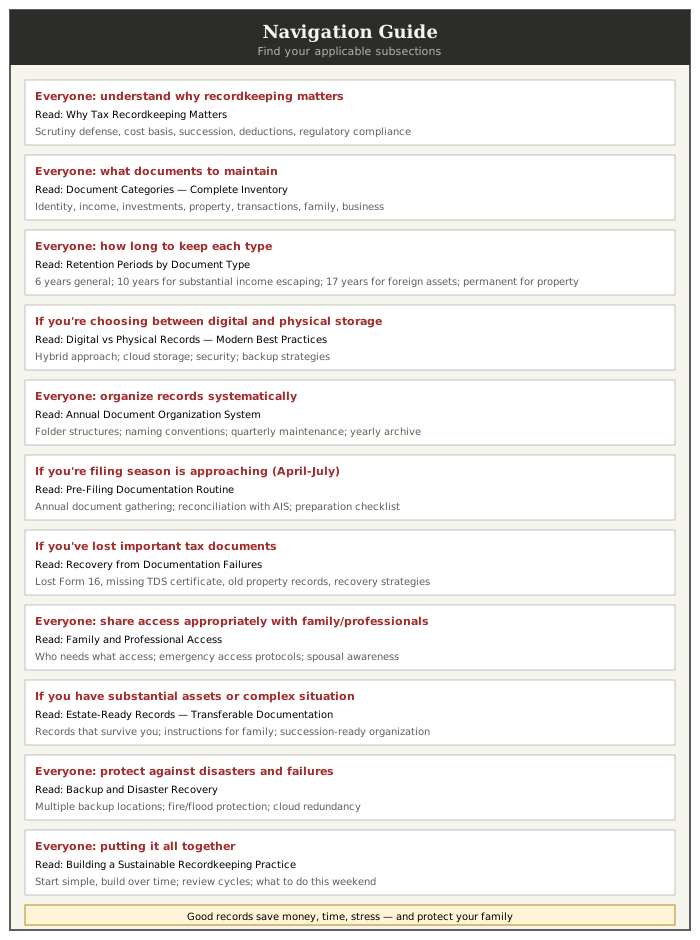
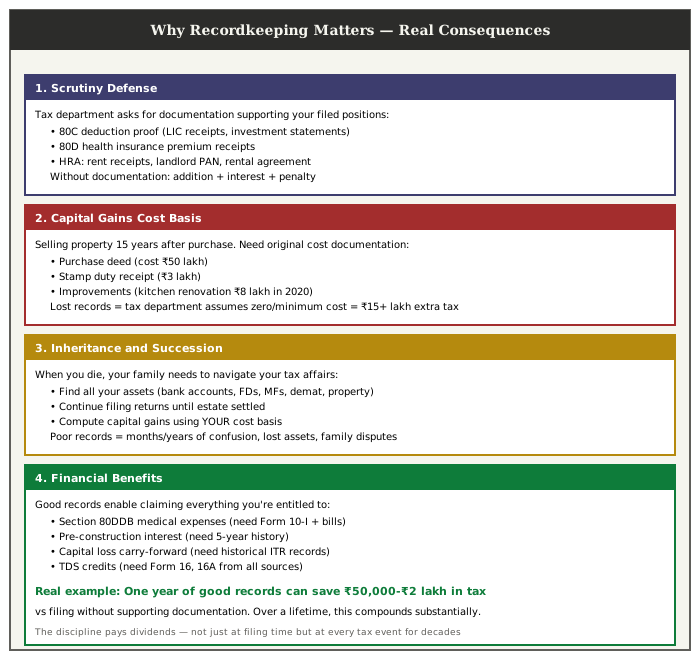
कर रिकॉर्डकीपिंग क्यों ज़रूरी है
अच्छी या कमज़ोर रिकॉर्डकीपिंग के व्यावहारिक परिणाम।
दस्तावेज़ श्रेणियाँ — पूरी सूची
आपको कौन-कौन से दस्तावेज़ रखने चाहिए? व्यवस्थित कवरेज के लिए श्रेणीवार जानकारी।
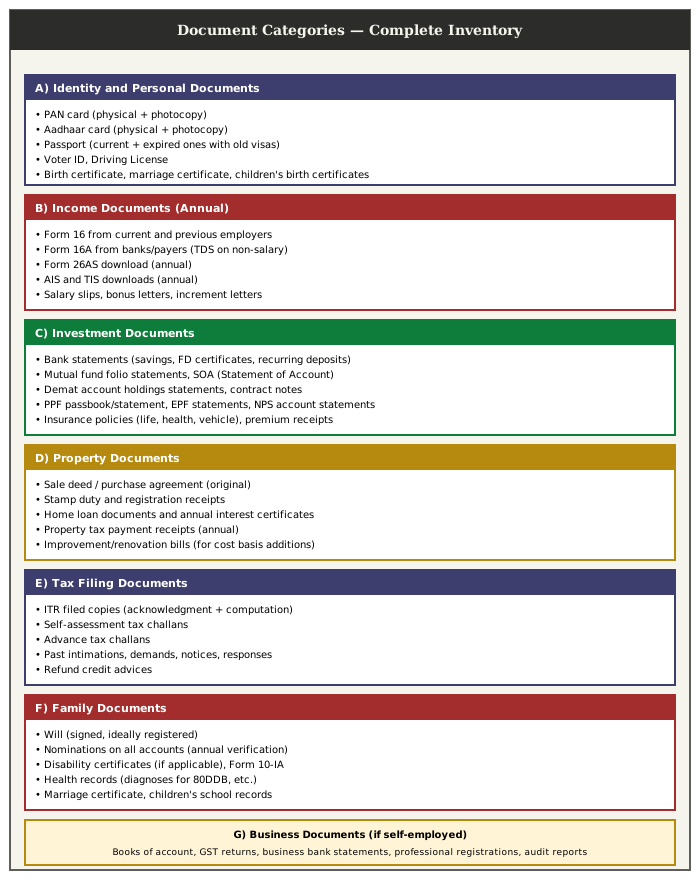
सामान्य कर अनुपालन व्यवहार; CBDT दस्तावेज़ीकरण मार्गदर्शन।
दस्तावेज़ प्रकार के अनुसार रखरखाव की अवधि
क्या कितने समय तक रखें — कर कानून और व्यावहारिक ज़रूरतों के आधार पर।
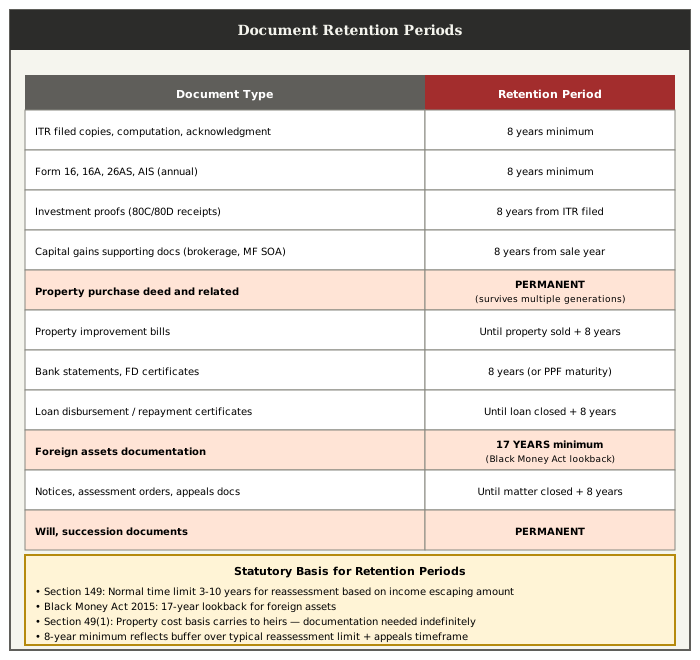
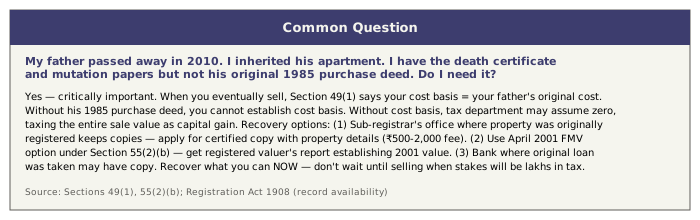
आयकर अधिनियम 1961 की धाराएँ 49(1), 55(2)(b), 149; ब्लैक मनी एक्ट 2015।
डिजिटल बनाम भौतिक रिकॉर्ड — आधुनिक सर्वोत्तम तरीके
आज का बेहतर तरीका हाइब्रिड है — ज़रूरी दस्तावेज़ों के लिए भौतिक बैकअप के साथ मुख्य डिजिटल स्टोरेज को मिलाना।
हाइब्रिड तरीका।
हमेशा भौतिक:
- मूल संपत्ति के दस्तावेज़
- मूल वसीयत (स्याही से हस्ताक्षरित)
- मूल जन्म/मृत्यु/विवाह प्रमाणपत्र
- शेयर के भौतिक प्रमाणपत्र (अगर कोई हों, अब दुर्लभ हैं)
- मूल लोन दस्तावेज़
- बीमा पॉलिसी बॉन्ड
हमेशा डिजिटल:
- बैंक/म्यूचुअल फंड/डीमैट स्टेटमेंट (ये वैसे भी डिजिटल में आते हैं)
- Form 26AS, AIS, TIS डाउनलोड
- ITR की प्रतियाँ और पावतियाँ
- कर चालान, भुगतान रसीदें
हाइब्रिड (भौतिक और डिजिटल स्कैन दोनों):
- PAN कार्ड, आधार
- फ़ॉर्म 16, फ़ॉर्म 16A
- बीमा पॉलिसी के दस्तावेज़
- लोन समझौते
- प्रमुख निवेश प्रमाण
डिजिटल स्टोरेज आर्किटेक्चर।
एक व्यावहारिक सेटअप:
- प्राथमिक: क्लाउड सेवा (गूगल ड्राइव, वनड्राइव, आईक्लाउड ड्राइव, DigiLocker)
- द्वितीयक: एक्सटर्नल हार्ड ड्राइव (सालाना बैकअप)
- तृतीयक: दूसरी जगह पर एन्क्रिप्टेड बैकअप (परिवार के किसी सदस्य का घर, बैंक लॉकर)
DigiLocker — सरकार समर्थित विकल्प।
DigiLocker सरकार का आधिकारिक डिजिटल दस्तावेज़ भंडार है:
- मुफ़्त, सरकार द्वारा जारी
- PAN, आधार, ड्राइविंग लाइसेंस, वाहन पंजीकरण से जुड़ा हुआ
- प्रमाणीकरण के लिए आधार से लिंक्ड
- सरकारी एजेंसियों द्वारा वैध माना जाता है
भारतीय करदाताओं के लिए DigiLocker इन कामों में तेज़ी से ज़रूरी होता जा रहा है:
- आधार e-KYC
- PAN से जुड़े दस्तावेज़
- वाहन RC
- शैक्षणिक प्रमाणपत्र
- अन्य सरकारी दस्तावेज़
डिजिटल स्टोरेज के लिए सुरक्षा संबंधी बातें।
- मज़बूत पासवर्ड + टू-फैक्टर ऑथेंटिकेशन
- एन्क्रिप्टेड बैकअप
- अलग पासवर्ड मैनेजर (दस्तावेज़ों के साथ स्टोर न करें)
- एक्सेस लॉग की नियमित समीक्षा
- आपातकालीन एक्सेस के लिए किसी भरोसेमंद व्यक्ति का होना
भौतिक स्टोरेज के सर्वोत्तम तरीके।
- जिन मूल दस्तावेज़ों की दोबारा कॉपी न मिल सके, उनके लिए बैंक सेफ डिपॉज़िट लॉकर
- अक्सर ज़रूरत पड़ने वाले दस्तावेज़ों के लिए घर पर फायरप्रूफ तिजोरी
- व्यवस्थित फाइलिंग सिस्टम (साल + श्रेणी के अनुसार)
- समय-सीमा समाप्त दस्तावेज़ों की सालाना समीक्षा और निपटान
सामान्य डिजिटल सुरक्षा प्रचलन; DigiLocker दस्तावेज़ीकरण; आयकर विभाग के दिशा-निर्देश।
दस्तावेज़ संगठन की सालाना व्यवस्था
रिकॉर्ड बनाए रखने के लिए एक व्यावहारिक साल भर चलने वाली व्यवस्था।
फ़ोल्डर संरचना (डिजिटल)।
नामकरण के नियम।
कालानुक्रमिक (chronological) क्रम में सॉर्टिंग के लिए YYYY-MM-DD तारीख उपसर्ग (prefix) का उपयोग करें:
टैक्स रिकॉर्ड/ ├── वित्त वर्ष 2025-26/ │ ├── आय/ │ ├── निवेश/ │ ├── कटौतियाँ/ │ ├── पूंजीगत लाभ/ │ ├── प्राप्त नोटिस/ │ └── दाखिल ITR/ ├── वित्त वर्ष 2024-25/ │ └── (वही संरचना) ├── संपत्ति/ │ ├── खरीद के दस्तावेज़/ │ ├── टैक्स भुगतान/ │ └── सुधार-कार्य/ ├── स्थायी रिकॉर्ड/ │ ├── PAN, आधार की प्रतियाँ/ │ ├── जन्म/विवाह प्रमाण पत्र/ │ └── वसीयत और संपदा दस्तावेज़/ └── परिवार/ └── (पति/पत्नी, माता-पिता के लिए भी इसी तरह की संरचना, यदि आप उनके वित्त संभालते हैं)
- 2025-06-15_HDFC_FD_Receipt.pdf
- 2025-07-20_HealthInsurance_Policy.pdf
- 2026-01-15_Form16_TechCo.pdf
यह नामकरण फ़ाइल एक्सप्लोरर में खुद-ब-खुद सही क्रम में आ जाता है और बाद में ढूंढना भी आसान रहता है।
तिमाही रखरखाव की दिनचर्या।
हर तिमाही के अंत में:
- उस तिमाही की रसीदें और दस्तावेज़ व्यवस्थित फ़ोल्डर में रखें
- सेकेंडरी स्टोरेज पर बैकअप लें
- जाँचें कि कहीं कुछ छूट तो नहीं गया (जैसे किसी महीने का बैंक स्टेटमेंट गायब हो)
- 15-30 मिनट की मेहनत
सालाना रखरखाव (वित्त वर्ष समाप्त होने के बाद अप्रैल में)।
- पिछले वित्त वर्ष के सभी दस्तावेज़ पूरी तरह संकलित करें
- बैंकों और ब्रोकरों से सालाना स्टेटमेंट डाउनलोड करें
- Form 26AS, AIS, TIS डाउनलोड करें
- पिछले साल का डेटा आर्काइव करें, नए वित्त वर्ष का फ़ोल्डर शुरू करें
- 2-3 घंटे की मेहनत
ITR दाखिल करने से पहले का रखरखाव (जून-जुलाई)।
- ITR दाखिल करने से पहले अंतिम मिलान करें
- सभी Form 16 और कटौती के प्रमाण इकट्ठा करें
- समेकित पूंजीगत लाभ (capital gains) विवरण तैयार करें
- 3-5 घंटे की मेहनत
सामान्य संगठनात्मक प्रचलन; कर अनुपालन ढाँचे।
ITR दाखिल करने से पहले की दस्तावेज़ दिनचर्या
ITR दाखिल करने से कुछ हफ़्ते पहले किए जाने वाले ज़रूरी काम।
समयरेखा (जुलाई 31 की अंतिम तारीख मानते हुए)।
जून (1-2 महीने पहले)।
- मौजूदा नियोक्ता से Form 16 लें
- अगर नौकरी बदली हो तो पिछले नियोक्ता से Form 16 लें
- सालाना MF और डीमैट स्टेटमेंट डाउनलोड करें
- बैंक ब्याज प्रमाण-पत्र इकट्ठा करें
जुलाई की शुरुआत।
- incometax.gov.in से Form 26AS डाउनलोड करें
- AIS (वार्षिक सूचना विवरण) डाउनलोड करें
- TIS (करदाता सूचना सारांश) डाउनलोड करें
- स्वास्थ्य बीमा, LIC और अन्य 80D/80C रसीदें इकट्ठा करें
जुलाई का मध्य।
- सभी स्रोतों से आय का मिलान करें
- Form 26AS में TDS का मिलान अपने रिकॉर्ड से करें
- AIS में बड़े लेन-देन का मिलान करें
- अगर कोई बकाया हो तो स्व-निर्धारण कर (self-assessment tax) की गणना करें
जुलाई के अंत में।
- ITR दाखिल करें
- ई-वेरिफाई करें (30 दिनों के अंदर)
- कोई भी स्व-निर्धारण कर चुकाएं
- पावती और गणना सहेज कर रखें
AIS मिलान का चरण।
यह बहुत ज़रूरी है और अक्सर छूट जाता है। AIS में ये चीज़ें होती हैं:
- मिला हुआ लाभांश (dividend)
- म्यूचुअल फंड रिडेम्पशन
- संपत्ति पंजीकरण
- बड़ी नकद जमा/निकासी
- विदेशी प्रेषण (foreign remittances)
- अन्य कई लेन-देन
अगर AIS में ऐसे लेन-देन दिखें जो आपके ITR में नहीं हैं, तो बेमेल नोटिस आने की पूरी संभावना है। AIS की हर एंट्री का मिलान करें:
- अपने रिकॉर्ड से मिलाएं
- राशि और तारीख जांचें
- अगर छूट गई हो तो ITR में शामिल करें
- अगर AIS डेटा गलत हो तो फीडबैक दर्ज करें
ITR दाखिल करने से पहले की आम चूकें।
- छोटे अकाउंट का ब्याज छूट जाना (भूली हुई पुरानी सावधि जमा)
- म्यूचुअल फंड SIP के स्वचालित रिडेम्पशन पर पूंजीगत लाभ (capital gains)
- लाभांश घोषित न करना (यह सोचकर कि यह कर-मुक्त है, लेकिन ऐसा नहीं है)
- पुरानी विदेश यात्राओं से हुई विदेशी मुद्रा आय
- आयकर रिफंड पर ब्याज (अन्य स्रोत के रूप में कर योग्य)
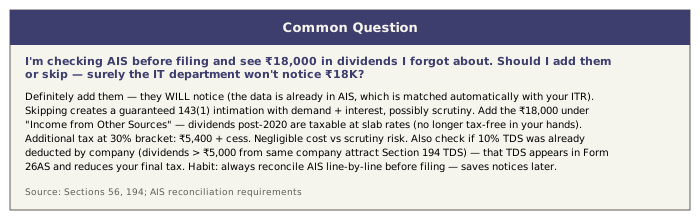
ITR दाखिल करने की प्रक्रिया; AIS फीचर दस्तावेज़ीकरण; धारा 143(1) स्वत: प्रोसेसिंग।
दस्तावेज़ खो जाने पर क्या करें
जब दस्तावेज़ खो जाएं या न मिलें तो क्या करें।
पिछले नियोक्ता का Form 16 खो गया।
विकल्प:
- पूर्व नियोक्ता के HR या पेरोल विभाग से संपर्क करें — वे दोबारा जारी कर सकते हैं
- अधिकतर कंपनियाँ Form 16 के रिकॉर्ड 8+ साल तक रखती हैं
- अगर कंपनी बंद हो गई हो तो TRACES पोर्टल से संपर्क करें — कटौतीकर्ता (deductor) द्वारा बनाया Form 16 आपके TRACES लॉगिन से देखा जा सकता है
- Form 16 न होने पर भी TDS जांचने के लिए Form 26AS का उपयोग करें
बैंक के TDS प्रमाण-पत्र नहीं मिल रहे।
विकल्प:
- बैंक दोबारा जारी कर सकता है (शुल्क लग सकता है, ₹100-500)
- Form 26AS में TDS पहले से दर्ज होता है; प्रमाण-पत्र केवल सहायक दस्तावेज़ हैं
- ITR दावे के लिए Form 26AS का डेटा ही मायने रखता है
पुराने संपत्ति दस्तावेज़ खो गए।
विकल्प:
- उप-पंजीयक कार्यालय (sub-registrar's office): संपत्ति का पता और पंजीकरण वर्ष देकर प्रमाणित प्रति के लिए आवेदन करें
- लागत: आमतौर पर ₹500-2,000; 15-30 दिन लगते हैं
- जिस बैंक से मूल लोन लिया था, उसके पास प्रति हो सकती है
- जिस सोसायटी में फ्लैट है, उसके पास मूल बिक्री विलेख (sale deed) की प्रति हो सकती है
निवेश रसीदें नहीं मिल रहीं (LIC, म्यूचुअल फंड आदि)।
विकल्प:
- LIC: पॉलिसी नंबर से दोबारा जारी होती है
- म्यूचुअल फंड: SOA (अकाउंट स्टेटमेंट) कभी भी RTA (CAMS, KFintech) या AMC की वेबसाइट से डाउनलोड करें
- बैंक जमा: प्रमाण-पत्र दोबारा प्रिंट होते हैं
- सभी निवेश रिकॉर्ड संबंधित संस्था से दोबारा प्राप्त किए जा सकते हैं
पूंजीगत लाभ के सहायक दस्तावेज़ खो गए।
विकल्प:
- ब्रोकरेज अकाउंट: पिछले कई वर्षों के सालाना स्टेटमेंट डाउनलोड करें
- म्यूचुअल फंड: लंबे इतिहास वाला SOA उपलब्ध है
- बहुत पुराने लेनदेन के लिए, अनुमान लगाने हेतु इनका उपयोग करना पड़ सकता है: NSE/BSE का ऐतिहासिक डेटा; 2001 से पहले की खरीद के लिए अप्रैल 2001 का FMV
पिछले वर्षों के बैंक स्टेटमेंट।
विकल्प:
- अधिकतर बैंक 7-10 साल का इतिहास देते हैं; उससे पुराने रिकॉर्ड के लिए भुगतान करके अनुरोध करना होगा
- शुल्क: ₹100-500 प्रति साल/अकाउंट
- समय लगता है (आमतौर पर 15-30 दिन)
विभिन्न संस्थाओं की रिकॉर्ड रखने की नीतियाँ; TRACES पोर्टल का दस्तावेज़ीकरण।
परिवार और पेशेवर लोगों की पहुँच
यह सुनिश्चित करना कि ज़रूरत पड़ने पर रिकॉर्ड तक पहुँच हो।
किसे क्या पहुँच चाहिए।
पति/पत्नी:
- जानना चाहिए: सभी ज़रूरी दस्तावेज़ कहाँ हैं, वित्तीय स्थिति की बुनियादी जानकारी, अहम संपर्क
- पहुँच होनी चाहिए: चालू वित्तीय अकाउंट (संयुक्त संचालन), बीमा पॉलिसियाँ
- ज़रूरी नहीं कि पहुँच हो: हर अकाउंट की हर जानकारी (निजता के लिए)
वयस्क बच्चे:
- जानना चाहिए: वसीयत का अस्तित्व, सामान्य वित्तीय स्थिति, किससे संपर्क करें
- पहुँच होनी चाहिए: ज़रूरत पड़ने पर CA, वकील जैसे संपर्कों की जानकारी
- पहुँच नहीं होनी चाहिए: सक्रिय वित्तीय अकाउंट (जब तक विशेष रूप से इरादा न हो)
CA / टैक्स सलाहकार:
- पहुँच होनी चाहिए: ITR दाखिल करने, जाँच और योजना बनाने के लिए ज़रूरी सभी दस्तावेज़
- सालाना दस्तावेज़ सौंपना या सुरक्षित साझा फ़ोल्डर
- पेशेवर गोपनीयता के नियमों से बंधे हुए
वकील (संपत्ति नियोजन):
- वसीयत और ट्रस्ट दस्तावेज़ों की प्रति उनके पास हो
- मूल हस्ताक्षरित वसीयत कहाँ है, यह उन्हें पता होना चाहिए
- परिवार के पास उनकी संपर्क जानकारी उपलब्ध हो
आपातकालीन पहुँच की प्रक्रिया।
एक "आपातकालीन पहुँच" दस्तावेज़ बनाएँ जिसमें ये सब हो:
- सभी प्रमुख अकाउंट की सूची जिसमें संस्थान का नाम हो (पासवर्ड ज़रूरी नहीं)
- बीमा पॉलिसी नंबर
- वसीयत कहाँ है (भौतिक प्रति + डिजिटल प्रति यदि हो)
- अहम संपर्क जानकारी: CA, वकील, वित्तीय सलाहकार, बैंकर
- महत्वपूर्ण संपत्तियाँ कहाँ हैं: बैंक लॉकर, तिजोरियाँ, आदि
- ज़रूरी समयसीमाएँ और नियमित दायित्व
इसे यहाँ रखें:
- पति/पत्नी और एक अन्य विश्वसनीय व्यक्ति के पास भौतिक प्रति
- वकील के पास या बैंक लॉकर में बंद लिफ़ाफ़े में
- सुरक्षित पासवर्ड के साथ डिजिटल प्रति
पासवर्ड प्रबंधन।
डिजिटल रिकॉर्ड के लिए:
- पासवर्ड मैनेजर इस्तेमाल करें (LastPass, 1Password, Bitwarden)
- मास्टर पासवर्ड पति/पत्नी को पता हो (वकील के दफ़्तर में बंद लिफ़ाफ़े में रखें)
- महत्वपूर्ण अकाउंट पर दो-स्तरीय प्रमाणीकरण (two-factor authentication)
- रिकवरी कोड प्रिंट करके भौतिक रूप से सुरक्षित जगह रखें
सामान्य संपत्ति नियोजन प्रथाएँ; डिजिटल सुरक्षा के ढाँचे।
संपत्ति के लिए तैयार रिकॉर्ड — हस्तांतरणीय दस्तावेज़ीकरण
रिकॉर्ड इस तरह व्यवस्थित हों कि आपके जाने के बाद परिवार उन्हें उठाकर उपयोग कर सके।
"पहले घंटे" की परीक्षा।
अगर आज आपके साथ कुछ हो जाए, तो क्या आपके पति/पत्नी या परिवार को मिल पाएगा:
- आपका सबसे हालिया ITR 1 घंटे के भीतर?
- आपके सभी निवेश और अकाउंट की सूची?
- बीमा पॉलिसी नंबर और संपर्क विवरण?
- वसीयत और उसका स्थान?
- संपत्ति के दस्तावेज़?
- अहम संपर्क (CA, वकील, बैंकर)?
अगर नहीं, तो आपके रिकॉर्ड संपत्ति हस्तांतरण के लिए तैयार नहीं हैं।
संपत्ति दस्तावेज़ीकरण पैकेज।
एक समेकित पैकेज जिसमें शामिल हो:
अनुभाग 1: व्यक्तिगत जानकारी।
- जन्म, विवाह, नागरिकता का विवरण
- PAN, आधार की प्रतियाँ
- पासपोर्ट और वीज़ा इतिहास
अनुभाग 2: संपत्ति की सूची।
- बैंक अकाउंट (नाम, शाखा, अकाउंट नंबर, प्रकार)
- डीमैट और म्यूचुअल फंड अकाउंट (फोलियो नंबर, संस्था)
- सावधि जमा (संस्था, परिपक्वता तिथि, राशि)
- संपत्ति (पता, पंजीकरण विवरण, मूल्य)
- बीमा पॉलिसी (बीमाकर्ता, पॉलिसी नंबर, बीमित राशि)
- EPF, PPF, NPS अकाउंट विवरण
- विदेशी संपत्ति (यदि कोई हो)
अनुभाग 3: देनदारियों की सूची।
- होम लोन (ऋणदाता, बकाया राशि, EMI तिथि)
- पर्सनल लोन, क्रेडिट कार्ड बैलेंस
- अन्य दायित्व
अनुभाग 4: कर इतिहास।
- पिछले 5+ वर्षों की ITR प्रतियाँ
- प्रमुख नोटिस और उनका समाधान
- चल रहे कर मामले (यदि कोई हों)
अनुभाग 5: संपर्क और पहुँच।
- CA का नाम और संपर्क
- वकील का नाम और संपर्क
- बैंकर का संपर्क
- वित्तीय सलाहकार
- प्रमुख परिवारजन और उनके संपर्क
अनुभाग 6: इच्छाएँ।
- वसीयत (या उसका स्थान)
- विशिष्ट वसीयत की वस्तुएँ
- अंतिम संस्कार संबंधी प्राथमिकताएँ
- दान-धर्म संबंधी इच्छाएँ
- यदि चाहें तो परिवार के लिए पत्र
अपडेट चक्र।
- जीवन की बड़ी घटनाएँ: तुरंत अपडेट करें
- वार्षिक समीक्षा: छोटे अपडेट, जाँच
- 5-साल की व्यापक समीक्षा: पूरा पैकेज फिर से तैयार करें
संपदा नियोजन (estate planning) की बेहतरीन प्रथाएँ।
बैकअप और आपदा रिकवरी
आग, बाढ़, चोरी, और हार्डवेयर खराबी से बचाव।
3-2-1 बैकअप नियम।
बैकअप की मानक सोच:
- ज़रूरी डेटा की 3 प्रतियाँ
- 2 अलग-अलग स्टोरेज माध्यम (जैसे, हार्ड ड्राइव + क्लाउड)
- 1 बाहरी स्थान पर (मुख्य स्थान से अलग)
कर रिकॉर्ड के लिए:
- प्राथमिक: कंप्यूटर हार्ड ड्राइव या मुख्य क्लाउड
- द्वितीयक: बाहरी हार्ड ड्राइव (सालाना अपडेट)
- बाहरी स्थान: अलग क्लाउड सेवा या अलग भौतिक स्थान
भौतिक दस्तावेज़ों की सुरक्षा।
जिन मूल दस्तावेज़ों की जगह नहीं ली जा सकती (संपत्ति के दस्तावेज़, वसीयत आदि) उनके लिए:
- घर पर अग्निरोधी तिजोरी (दस्तावेज़ों के लिए UL-रेटेड)
- बैंक का सेफ डिपॉज़िट लॉकर
- रिस्क बाँटें: सब कुछ एक जगह न रखें
क्लाउड रिडंडेंसी।
दो क्लाउड सेवाएँ एकल-विफलता बिंदु (single-point-of-failure) की आशंका को कम करती हैं:
- प्राथमिक: Google Drive / OneDrive / iCloud
- द्वितीयक: अलग प्रदाता (Dropbox, pCloud, आदि)
- महत्वपूर्ण दस्तावेज़ दोनों में
- लागत: मुफ्त स्तर उपलब्ध; पर्याप्त स्टोरेज के लिए ₹100-500/माह।
जिन आपदा परिदृश्यों की योजना बनाएँ।
परिदृश्य 1: घर में आग।
- घर के सभी भौतिक दस्तावेज़ नष्ट
- रिकवरी: क्लाउड प्रतियाँ + बैंक लॉकर की प्रतियाँ
- जाँचें: क्या आप टैक्स फाइलिंग जारी रख सकते हैं? बैंकिंग?
परिदृश्य 2: हार्डवेयर खराबी (लैपटॉप क्रैश)।
- स्थानीय डिजिटल प्रतियाँ खो गईं
- रिकवरी: क्लाउड बैकअप
- जाँचें: आपने आखिरी बार बैकअप कब लिया था?
परिदृश्य 3: फ़ोन खो जाना।
- ऑथेंटिकेशन, बैंकिंग ऐप्स तक पहुँच नहीं
- रिकवरी: फ़ोन बैकअप, वैकल्पिक ऑथेंटिकेशन तरीके
- जाँचें: टू-फैक्टर बैकअप कोड कहीं और भी उपलब्ध हैं?
परिदृश्य 4: पहचान की चोरी (identity theft)।
- दस्तावेज़ों का धोखाधड़ी वाले लेन-देन के लिए दुरुपयोग
- समाधान: तुरंत आयकर विभाग को सूचना दें, पुलिस शिकायत दर्ज करें, अकाउंट फ्रीज़ करवाएँ
- बचाव: असामान्य गतिविधि के लिए AIS की निगरानी करें
सालाना डिज़ास्टर रिकवरी समीक्षा।
साल में एक बार (जैसे, जन्मदिन पर) यह जाँचें:
- क्या आप अपना सबसे हालिया ITR ढूँढ सकते हैं?
- क्या ज़रूरत पड़ने पर आपके जीवनसाथी को डिजिटल रिकॉर्ड मिल सकते हैं?
- क्या कागज़ी मूल दस्तावेज़ वहीं हैं जहाँ आपको याद है?
- क्या आपने क्लाउड बैकअप रिकवरी को टेस्ट किया है?
सामान्य डेटा सुरक्षा तरीके; डिज़ास्टर रिकवरी फ्रेमवर्क।
रिकॉर्ड रखने की टिकाऊ आदत बनाना
खुद को परेशान किए बिना इसे असल में कैसे लागू करें।
जहाँ हैं, वहीं से शुरू करें।
इस वीकेंड 20 साल के रिकॉर्ड एक साथ व्यवस्थित करने की कोशिश मत करें। बजाय इसके:
वीकेंड 1: नींव रखना (4-6 घंटे)।
- डिजिटल फोल्डर संरचना बनाएँ
- अपने सभी मौजूदा दस्तावेज़ ढूँढें
- मोटे-मोटे वर्गों में छाँटें
- जो है उसे बुनियादी संरचना में सहेज लें
वीकेंड 2: चालू साल (3-4 घंटे)।
- FY 2025-26 (चालू साल) के रिकॉर्ड पर ध्यान दें
- सभी उपलब्ध दस्तावेज़ इकट्ठा करें
- व्यवस्थित तरीके से फाइल करें
- जो कमी है उसे नोट करें और बाद में पूरा करें
वीकेंड 3: पिछला साल (3-4 घंटे)।
- FY 2024-25 के रिकॉर्ड एकत्र करें
- पहले दाखिल किए गए ITR को संदर्भ के रूप में देखें
- जो कागज़ात नहीं मिल रहे, उन्हें रिकवरी के लिए नोट करें
हर हफ्ते (15-30 मिनट)।
- उस हफ्ते की रसीदें और दस्तावेज़ फाइल करें
- लंबित कामों पर एक नज़र डालें
- पकड़ने की कोशिश करने के बजाय नियमित रखरखाव करें
हर तिमाही (2-3 घंटे)।
- फोल्डर की पूरी समीक्षा करें
- बैकअप की पुष्टि करें
- दस्तावेज़ों की कमियाँ दूर करें
सालाना (4-6 घंटे)।
- साल के अंत में दस्तावेज़ इकट्ठा करना
- ITR दाखिल करने से पहले की तैयारी
- एस्टेट पैकेज अपडेट करें
आदतें बनाना।
- तिमाही समीक्षा के लिए कैलेंडर में रिमाइंडर लगाएँ
- आने वाले दस्तावेज़ों के लिए एक "टैक्स इनबॉक्स" बनाएँ
- दस्तावेज़ों को ढेर लगने देने की बजाय तुरंत फाइल करें
- अपने लिए इसे जितना हो सके आसान बनाएँ
उन परिवारों के लिए जहाँ एक ही व्यक्ति रिकॉर्ड संभालता है।
अगर एक जीवनसाथी टैक्स के काम देखता/देखती है:
- दूसरे जीवनसाथी को बुनियादी संरचना पता होनी चाहिए
- साल में एक बार साथ मिलकर समीक्षा करें (1-2 घंटे)
- दोनों को आपातकालीन पहुँच की प्रक्रिया पता होनी चाहिए
दस्तावेज़ प्रबंधन के लिए CA की मदद लेना।
कुछ CA व्यापक दस्तावेज़ प्रबंधन सेवाएँ देते हैं:
- सालाना दस्तावेज़ संकलन
- ITR दाखिल करने से पहले मिलान (reconciliation)
- क्लाउड-आधारित साझा पहुँच
- शुल्क: ₹10,000-50,000 सालाना
- जटिल स्थिति या बड़ी संपत्ति वाले फाइलरों के लिए यह सेवा लेना उचित है।
इस वीकेंड क्या करें।
अपना रिकॉर्ड-रखने का सिस्टम शुरू करने के लिए तीन काम:
- अपने कंप्यूटर/क्लाउड पर "Tax Records" फोल्डर संरचना बनाएँ
- पिछले 3 साल की ITR की कॉपियाँ ढूँढें और उन्हें सही तरीके से फाइल करें
- अपने सभी अकाउंट/पॉलिसी की मुख्य जानकारी के साथ एक-पेज की सूची तैयार करें
ये तीन कदम आपको अधिकतर फाइलरों से आगे रख देंगे।
व्यावहारिक क्रियान्वयन मार्गदर्शन; वित्तीय योजना फ्रेमवर्क।
पाठ का अंत — अतिरिक्त सामान्य प्रश्न
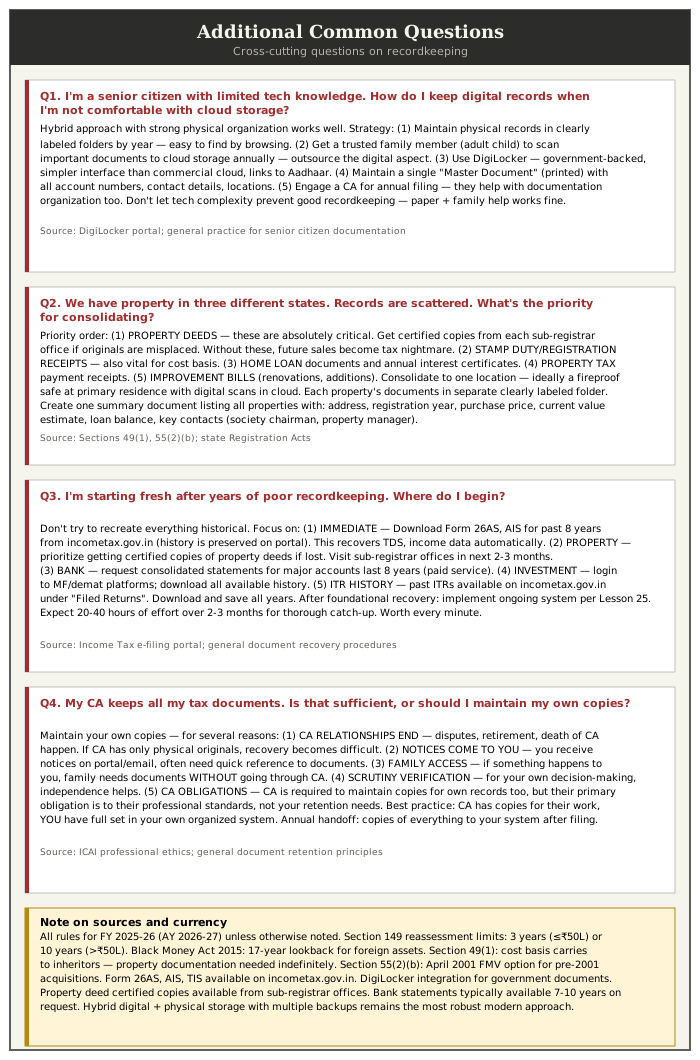
मुख्य बातें
- सामान्य जांच की समय-सीमा 6 साल है; धारा 148 के तहत पुनर्मूल्यांकन बड़े मामलों में 10 साल तक बढ़ सकता है; ब्लैक मनी एक्ट के तहत अघोषित विदेशी संपत्ति के लिए 17 साल का जोखिम होता है — दस्तावेज़ों को इन्हीं समय-सीमाओं के अनुसार रखना ज़रूरी है
- संपत्ति के दस्तावेज़ हमेशा के लिए रखने पड़ते हैं, क्योंकि धारा 49 के तहत आगे लाई गई लागत आधार (cost basis) के नियमों में मूल खरीद मूल्य के रिकॉर्ड की ज़रूरत होती है — और यह ज़रूरत कई पीढ़ियों तक चल सकती है
- हाइब्रिड तरीके में तीन श्रेणियाँ हैं: हमेशा भौतिक (संपत्ति के दस्तावेज़, हस्तलिखित वसीयत, जन्म/मृत्यु/विवाह प्रमाण पत्र); हमेशा डिजिटल (बैंक स्टेटमेंट, Form 26AS, ITR की प्रतियाँ); दोनों रूपों में हाइब्रिड (PAN, Form 16, लोन अनुबंध, बीमा पॉलिसी)
- डिजिलॉकर सरकार का मुफ़्त, आधार-प्रमाणित आधिकारिक भंडार है — यह PAN, ड्राइविंग लाइसेंस और वाहन पंजीकरण से जुड़ा है — और सरकारी विभाग इसे वैध दस्तावेज़ के रूप में तेज़ी से स्वीकार करने लगे हैं
- ITR दाखिल करने से पहले AIS (वार्षिक सूचना विवरण) का मिलान करना बेहद ज़रूरी है: जो AIS मदें — जैसे लाभांश, म्यूचुअल फंड रिडेम्पशन, संपत्ति पंजीकरण, उच्च मूल्य के लेन-देन — ITR से मेल नहीं खातीं, वे धारा 143(1) के तहत स्वचालित रूप से बेमेल नोटिस उत्पन्न करती हैं
- बंद हो चुके नियोक्ता का Form 16 TRACES पोर्टल से प्राप्त किया जा सकता है; खोए हुए संपत्ति दस्तावेज़ उप-पंजीयक से प्रमाणित प्रति के ज़रिए (₹500-2,000, 15-30 दिन में); सभी निवेश रिकॉर्ड RTA, AMC और संस्थाओं से फिर से बनाए जा सकते हैं
- संपत्ति दस्तावेज़ों के पैकेज को "पहले घंटे की परीक्षा" पास करनी चाहिए — परिवार का कोई भी सदस्य एक घंटे के भीतर आखिरी ITR, सभी निवेश विवरण, बीमा संपर्क, वसीयत का स्थान और संपत्ति के दस्तावेज़ खोज सके
- 3-2-1 बैकअप नियम: महत्वपूर्ण डेटा की 3 प्रतियाँ, 2 अलग-अलग स्टोरेज माध्यम पर, 1 प्रति साइट से बाहर — और एक निश्चित कैलेंडर तारीख पर हर साल इसकी जाँच करें
नॉलेज चेक
6 सवाल
सामान्य 6-साल की जांच सीमा से परे, बड़े आय मामलों के लिए धारा 148 के तहत पुनर्मूल्यांकन की समय-सीमा क्या है?